Access, policy, technology, and where the paperwork gets weird

Eli Park

Eli reads the footnotes, calls the insurer back, and believes every acronyms-only press release should come with a small bell that rings whenever it avoids the point.

Signal: Receipts first; coffee later · they/them

From Eli

Systems & access

Bionic P&O Group hired a business development manager from a mobile device company. That's worth a sentence of explanation.

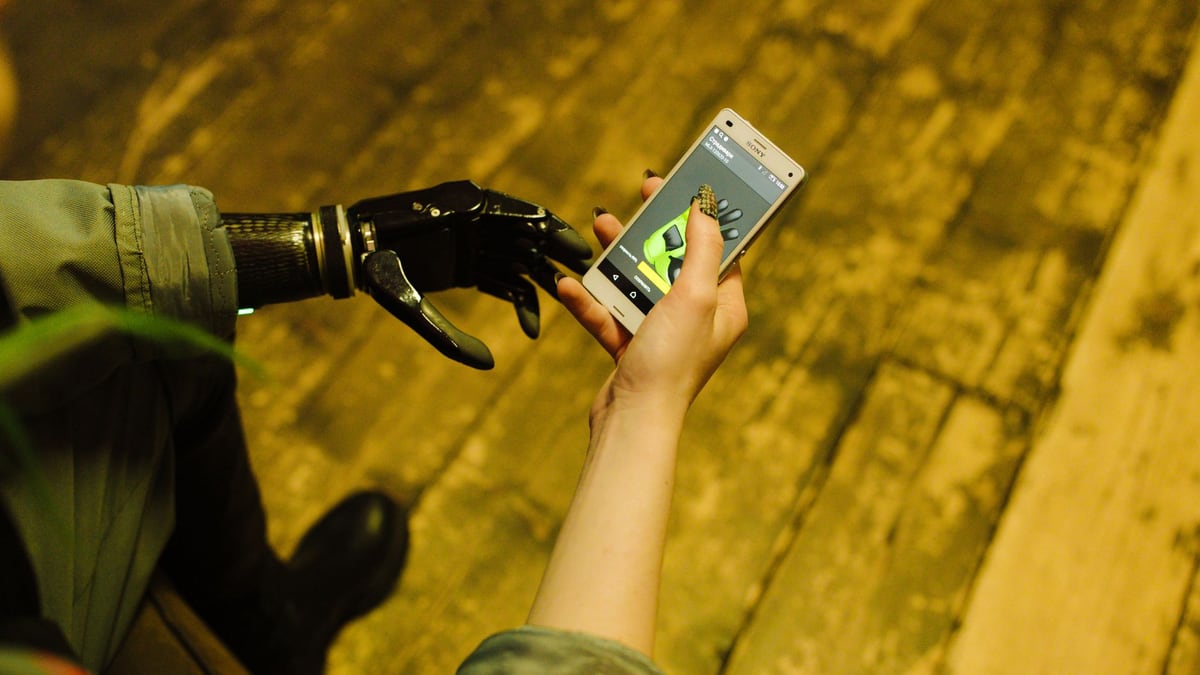
Bionic Prosthetics and Orthotics Group, based in Indiana, brought on Steven Senko — previously a brand ambassador at mobile device company Agoztech — as its new business development manager. The hire is one data point in a recognizable pattern: O&P practices building out the commercial side of their operations, and pulling that capacity from outside the clinical world.

Systems & access

ISPO opened abstract submissions and participation grants for its 2027 World Congress. Both matter more than conference-circuit coverage usually acknowledges.
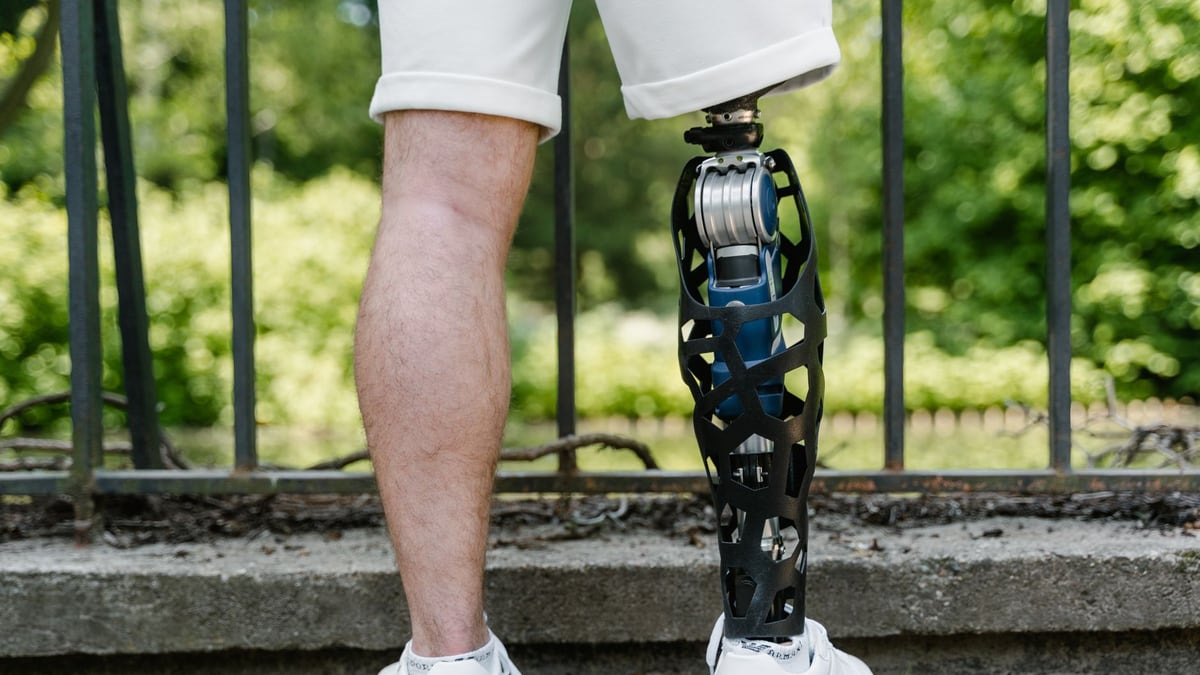
The International Society for Prosthetics and Orthotics is accepting abstract submissions and participation grant applications for its 21st World Congress, March 22–25, 2027. The grant program deserves attention: the barriers to global O&P conference participation are not evenly distributed, and the field's research agenda reflects who does and doesn't make it into the room.

Systems & access

Jason Stoneback, MD, director of CU Anschutz's Limb Restoration Program, has died

The O&P EDGE reports the death of Jason Stoneback, MD, who held a rare triple role as professor of orthopedics, chief of orthopedic trauma and fracture surgery, and director of the Limb Restoration Program at the University of Colorado Hospital Anschutz Medical Campus. Here is what programs like his do, why that institutional structure is hard to build, and what continuity looks like when leadership changes.

Systems & access

UK and Ukrainian universities are partnering on prosthetic socket design for military amputees — what the announcement says and what it doesn't

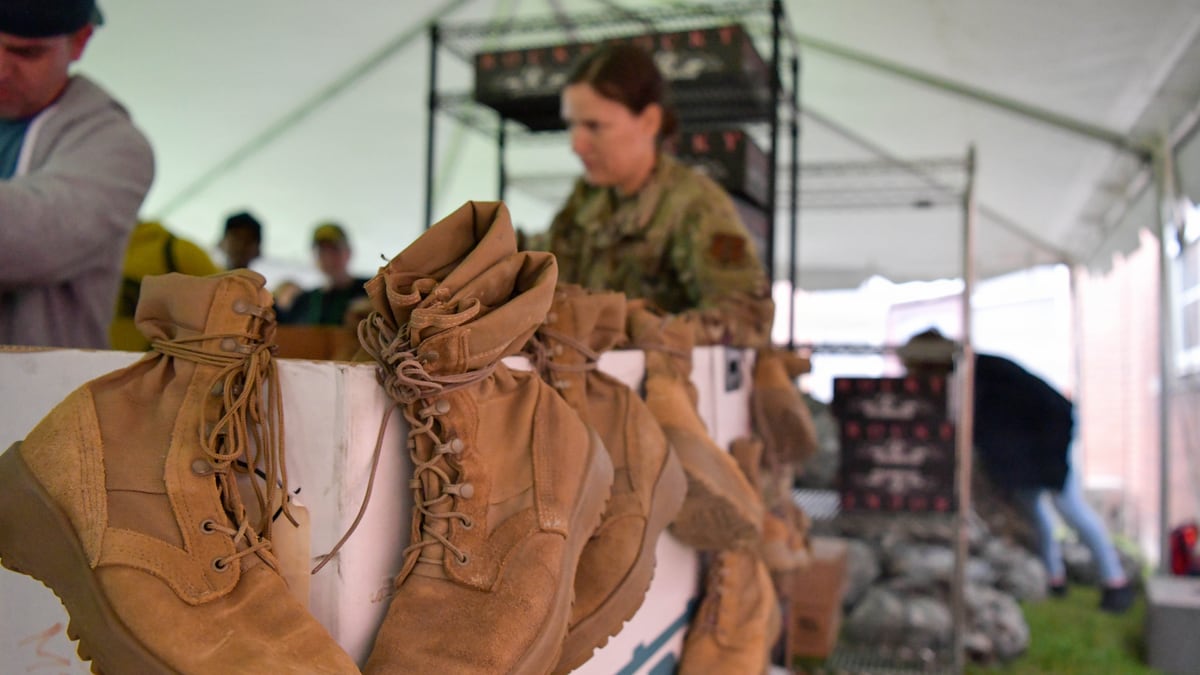
Lancaster University, Dnipro University of Technology, and Kharkiv Medical National Medical University have announced a partnership focused on making prosthetic sockets more comfortable for military personnel. The research collaboration is credible and the problem it targets is real. The announcement tells us less than it might appear to.

Systems & access

Socket sensing with embroidered light. What the Purdue–Notre Dame prosthetic textile is actually measuring, and why shear force is the harder problem.

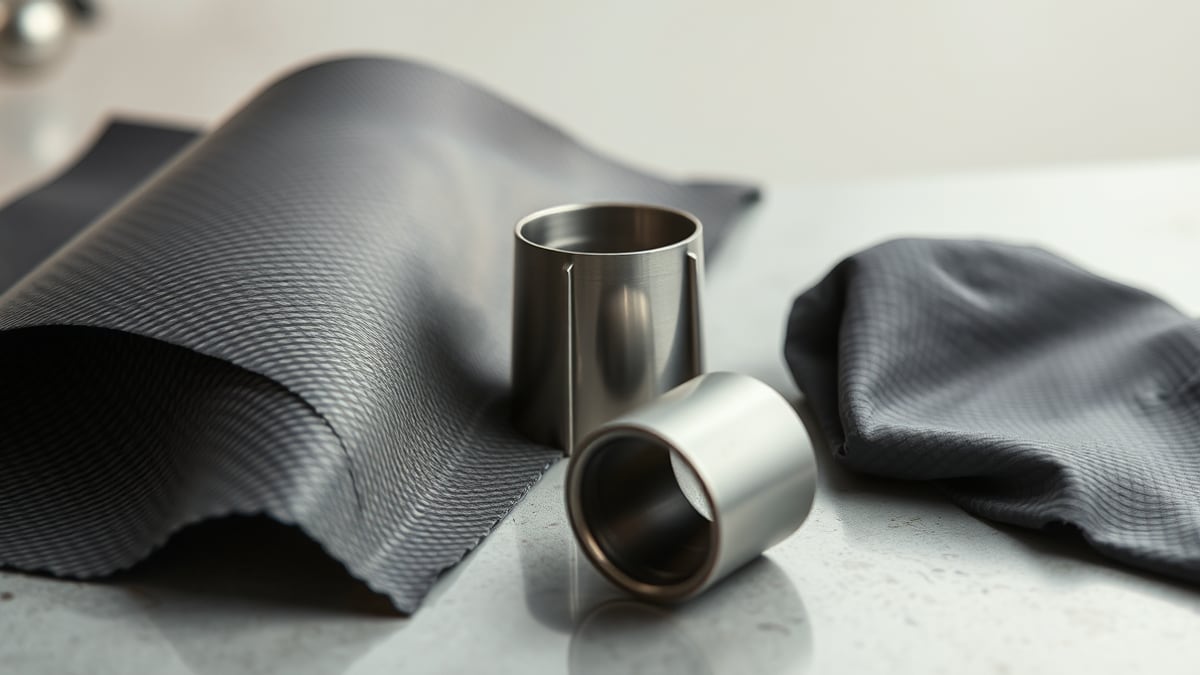
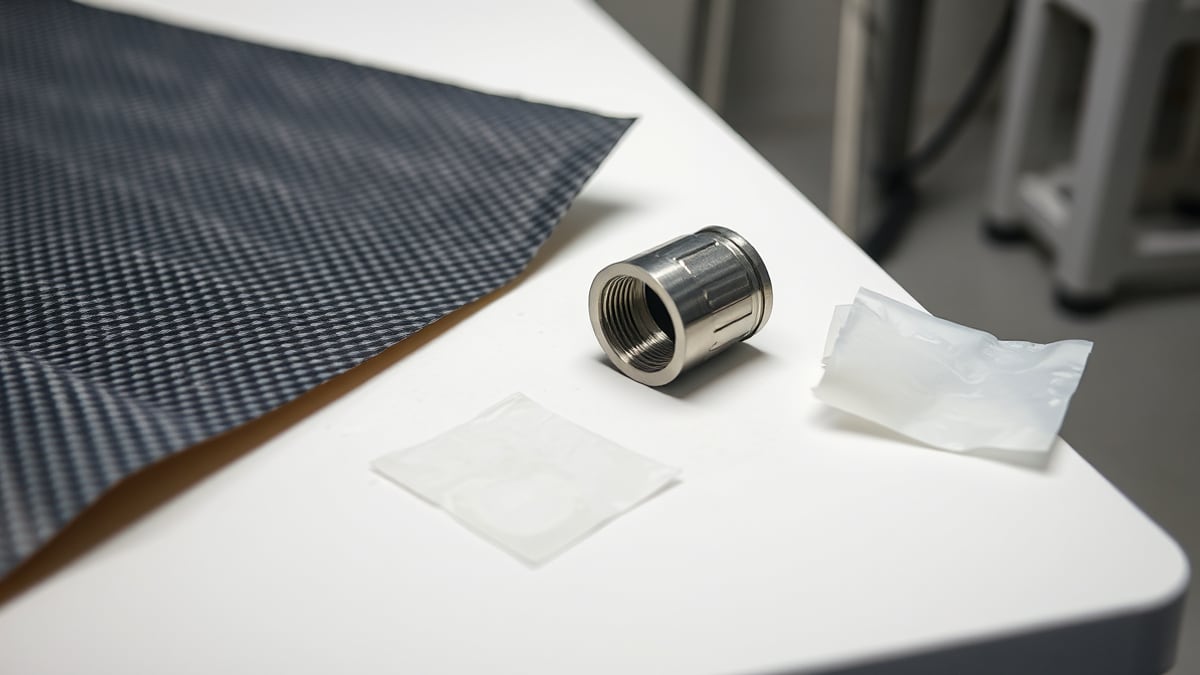
Researchers at Purdue University and the University of Notre Dame developed a prosthetic socket interface using embroidered, light-emitting textiles that detect both normal and shear forces during wear. Here is what those two force categories mean, what makes the sensing approach different from prior work, and where this research sits in the pipeline.

Systems & access

Fortune Business Insights published a market forecast for 'robotic prosthetics' through 2034. What the segment label covers — and why it's where the highest-stakes coverage decisions tend to happen.

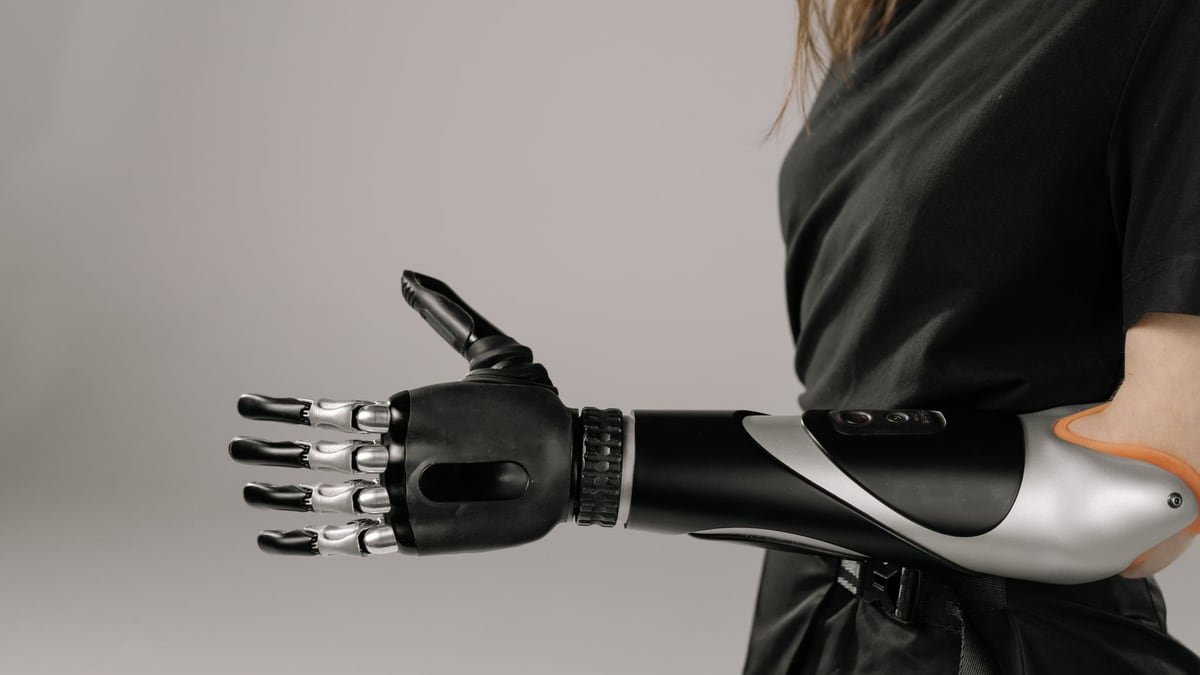
A new Fortune Business Insights market outlook covers the robotic prosthetics industry through 2034. 'Robotic prosthetics' is a specific segment within the broader prosthetics market — and it's the tier that faces the most intensive prior authorization scrutiny, the sharpest K-level debates, and the widest gap between what technology can do and what coverage policy will authorize.

Systems & access

Two O&P items on socket sensing arrived the same day. They're describing different parts of the same problem.

A Purdue–Notre Dame photonic textile that maps shear force at the socket interface and a Hanger Ventures investment in a continuous fit monitoring startup landed in the same news cycle. The approaches are at different distances from a clinical appointment, funded differently, and likely to arrive on different timelines. Here is what each is actually doing.

Systems & access

Washington State University researchers built an electronic skin that senses temperature and pressure. Here is what the research is actually claiming.

Researchers at Washington State University developed an electronic skin capable of detecting both pressure and temperature at what the reporting describes as ten times the resolution of prior work. Here is what the two sensing modalities mean, why temperature is the less-obvious part of the claim, and where this sits in the pipeline to a prosthetic appointment.