Follow a beatLife & mobilitySystems & accessCommunitySport & culture

Independent news for real life

What matters right now.

Clear reporting and practical context for amputees, limb-different people, families, and the people in their corner.

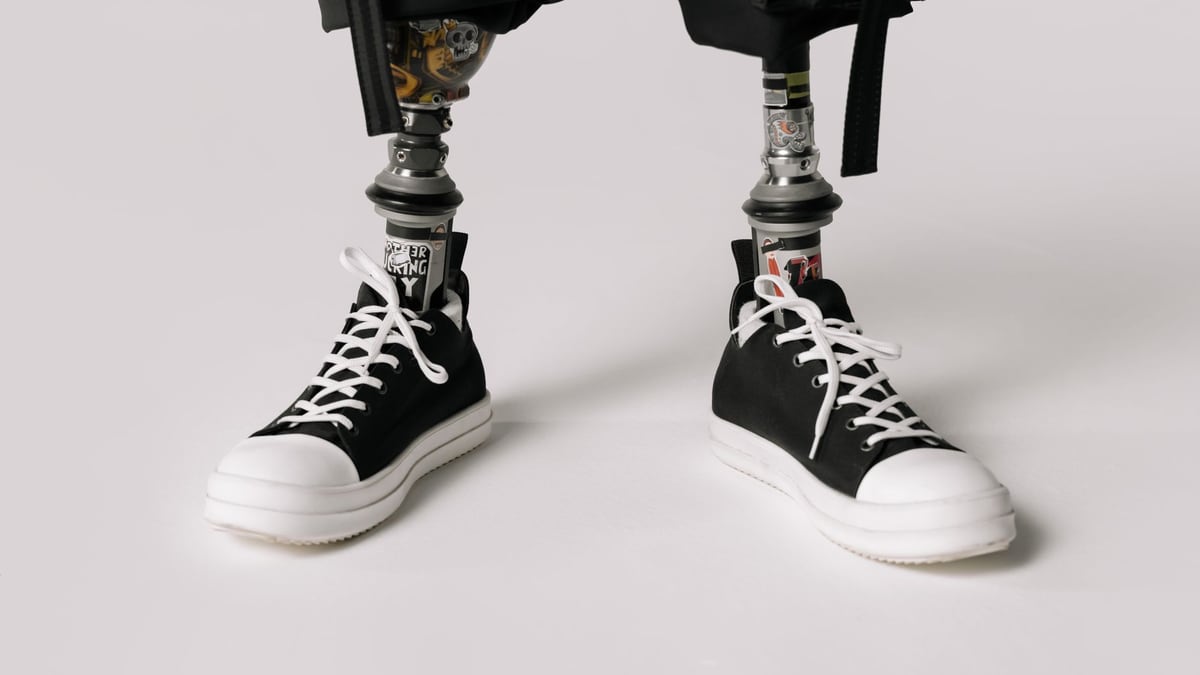
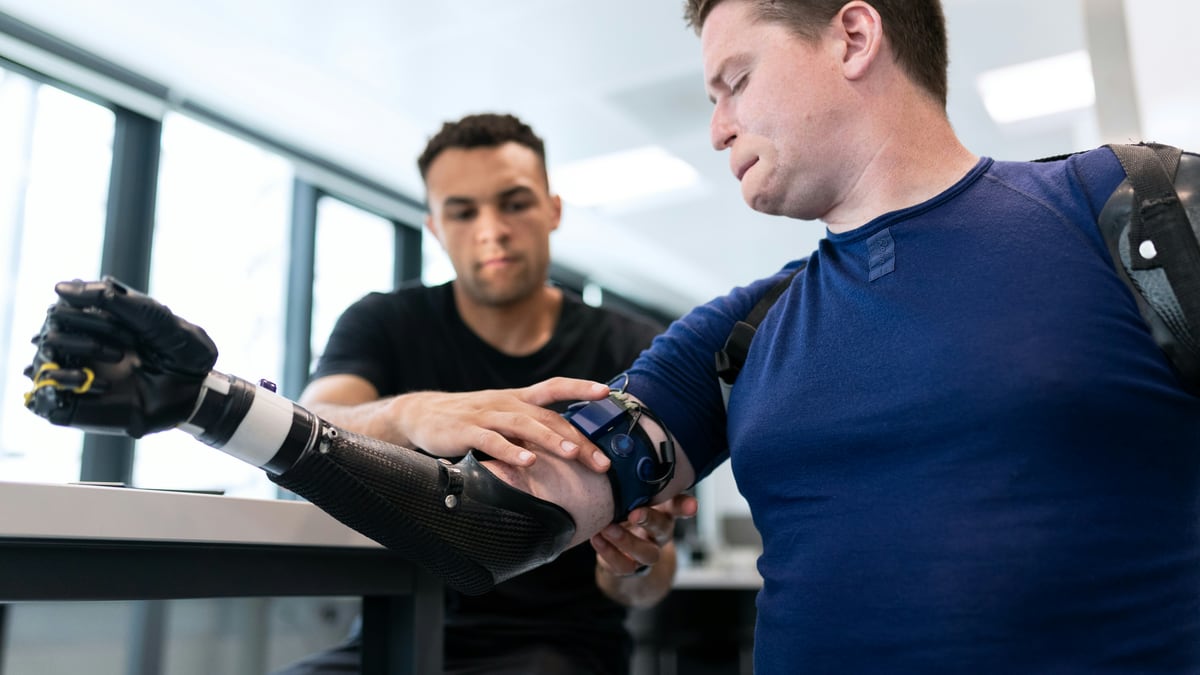
Photo by Thirdman

First US patient enrolled in e-OPRA trial combining osseointegration, nerve rerouting, and implanted sensory feedback

The Regenstein Foundation Center for Bionic Medicine at Shirley Ryan AbilityLab has implanted the e-OPRA system in its first US patient. The device combines four technologies the field has been developing separately: bone-anchored attachment, targeted muscle reinnervation, implanted pattern-recognition sensors, and nerve-based sensory feedback.

Read the full story

Find your way in

News by topic

Fresh reporting

More to know

Browse all 127 stories ↗
Life & mobility

Four prosthetic ankles, eight terrain tasks: a study finds variable stiffness matched carbon-fiber returns on flat ground and was preferred going downhill

A randomized crossover trial from Hugh Herr's group tested two quasi-passive prosthetic ankles against two standard energy-storage-and-return feet across a range of walking conditions. Variable stiffness held up on level terrain and was preferred by subjects on a 5-degree decline. Variable damping was the least preferred design in every condition.

Life & mobility

University of Tennessee researchers received $809,000 to build an implantable prosthetic hand controller that reads mechanical muscle signals. Grip force feedback is also part of the design.

A UT Knoxville engineering team is developing the Myo-Bridge, an implant that senses the physical motion of residual muscles rather than their electrical signals, then relays that information wirelessly to an external prosthetic hand. The device also aims to send grip force data back to the residual limb so users can feel what the hand is holding. Up to 45 percent of powered prosthetic hand users eventually stop using the device.

Practical, not prescriptive

Keep the useful stuff close.

Plain-language starting points for daily questions, appointments, travel, work, and care.

Explore every guide
  1. 01Daily life · 10 min readAfter a vascular amputation: taking care of the leg you still have
  2. 02Daily life · 10 min readGetting mental health care after limb loss: how to recognize when you need it and how to find it
  3. 03Gear & care · 11 min readSocket skin breakdown: how to read what you're looking at and what to do next
  4. 04Getting started · 10 min readProsthetics without insurance: what's actually available and how to access it
  5. 05Gear & care · 7 min readLymphedema and residual limb swelling: what's different, what to watch for, and what to do about it

No pity. People are more than a before-and-after.

Sources visible. You can see where the reporting came from.

Plain speak. We translate the acronyms and flag uncertainty.

How our desk works ↗

Have a lead or a correction?

Help us look closer.

Know about a policy change, local story, useful resource, or something we got wrong?

Send the desk a note