
Bionic P&O Group hired a business development manager from a mobile device company. That's worth a sentence of explanation.
Bionic Prosthetics and Orthotics Group, based in Indiana, brought on Steven Senko, previously a brand ambassador at mobile device company Agoztech, as its new business development manager. The hire is one data point in a recognizable pattern: O&P practices building out the commercial side of their operations, and pulling that capacity from outside the clinical world.
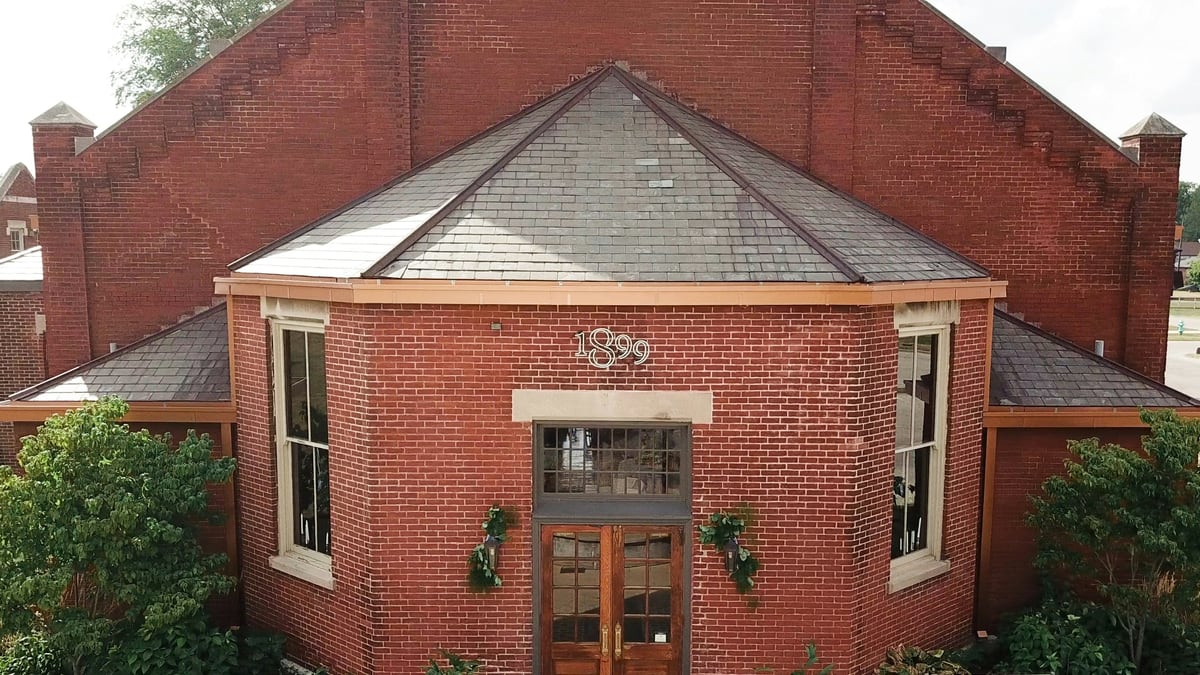
The O&P EDGE reported this week that Bionic Prosthetics and Orthotics Group, headquartered in Indiana, has hired Steven Senko as its new business development manager. Senko’s prior role was as a brand ambassador at Agoztech, a mobile device company. That is the full item.
Here is what it sits next to, and why it is worth a moment.
What business development is, in this context
Business development in an O&P practice is not clinical work. It does not involve fitting, fabrication, documentation, or the ongoing management of a patient’s device. What it involves depends on the practice and the hire, but the general scope includes: identifying and building referral relationships with physicians, physiatrists, physical therapists, and hospital systems; negotiating and maintaining contracts with commercial payers; developing partnerships with device manufacturers or distributors; and managing the practice’s market positioning and outreach. In a field like O&P, where patient volume depends heavily on referral patterns and payer relationships, that function can directly affect how many people can reach care, and whether that care is reimbursed at a level that keeps the practice viable.
The specific shape of Senko’s role at Bionic P&O Group isn’t detailed in the trade press item. What is notable is where his prior experience sat: not in O&P, not in healthcare administration, not in clinical staffing, but in mobile device brand development. That is a distinct type of commercial expertise. It suggests Bionic P&O is either looking for a skillset in market presence and outreach, or building toward something that crosses into digital health adjacency, or simply found a candidate with transferable business development skills. Possibly all three.
The broader hiring pattern
O&P practices have been building out their administrative and commercial infrastructure with some urgency. The pressures driving that are documented: a DMEPOS enrollment moratorium that limited new supplier registrations through most of 2026; CMS policy updates that added to documentation and prior authorization requirements; a small and aging clinical workforce operating under measurably high burnout rates; and a consolidation environment in which larger multi-location groups are absorbing smaller independent practices, as we saw with ForMotion’s recent acquisitions.
In that context, the growth in O&P consulting and recruiting services we’ve tracked this summer starts to look less like an industry quirk and more like structural adaptation. Practices under administrative and regulatory pressure develop service industries around that pressure. They also build the pressure-handling capacity internally, through hires like this one.
Bionic P&O Group appearing on The O&P EDGE’s hires page for at least a fourth time this cycle suggests a practice that has been actively building its team. Multiple hires across functions, including this move into business development, point to an organization expanding its operational footprint, not just maintaining it.
What this says about Indiana, specifically
Indiana is not a state that tends to appear often in O&P trade press. It is not a major O&P hub in the way that large coastal metros are, and the structural geography of Midwestern states, spread across moderate-sized cities and rural corridors with varying provider density, creates different access dynamics than places where multiple large practices compete in the same market.
A practice in Indiana that is actively building out referral relationships, payer contracts, and market partnerships is doing something that could have meaningful consequences for patients in that geography: potentially expanding the range of facilities and physicians that route patients toward O&P care, or improving reimbursement terms in a way that makes certain devices more accessible. Or it could be doing none of those things. Business development capacity at a practice level does not automatically translate to improved patient access, and there is no mechanism in the hire announcement to tell you which it is.
The question this raises
Senko moved from a mobile device company into an O&P practice at a moment when O&P is actively pulling in commercial talent from adjacent fields. That is not an unusual career path across healthcare broadly, and it is a reasonable one: skills in market development, partnership-building, and brand positioning do transfer. What the field has not fully worked out is how to evaluate whether commercial growth in a practice produces corresponding improvement in access (more patients reached, more payer contracts that cover needed devices, more referral pathways for underserved populations) versus whether it primarily expands a practice’s revenue with existing referral flows.
That question is not answerable from a trade press hire announcement. It is the question that a practice’s growth over the next several years will either answer or not.
What to watch
If Bionic P&O Group continues its hiring pace and begins announcing new clinic locations, payer partnerships, or referral network expansions in Indiana and surrounding states, Senko’s hire starts to look like one piece of a deliberate expansion strategy. If the hiring plateaus without visible changes to the practice’s geographic reach or accessible device range, the commercial investment stayed commercial. Both outcomes are plausible from here.
For patients in Indiana who currently struggle with referral access, appointment availability, or payer coverage for advanced prosthetic devices: this is not news that changes anything for you today. It is a signal that one practice in your state is building the infrastructure that could eventually affect what you can access. Whether that potential connects to your situation depends on specifics that a business development hire alone does not determine.
Amputee News covers O&P workforce and systems news as reported. This article does not constitute individualized medical, insurance, legal, or device-fitting advice. O&P access and coverage vary by location, payer, and individual circumstances.
Source notebook: This reporting draws on The O&P EDGE: Bionic P&O Hires, August 2026 ↗. We link out so you can follow the receipts.