
Moldova and UNDP are buying prosthetics directly for citizens who cannot access them. The funding comes from China.
A Chinese-government-funded partnership with UNDP and Moldova's Ministry of Labour and Social Protection will purchase prosthetics and mobility aids for the country's most vulnerable people and upgrade the national prosthetics center.
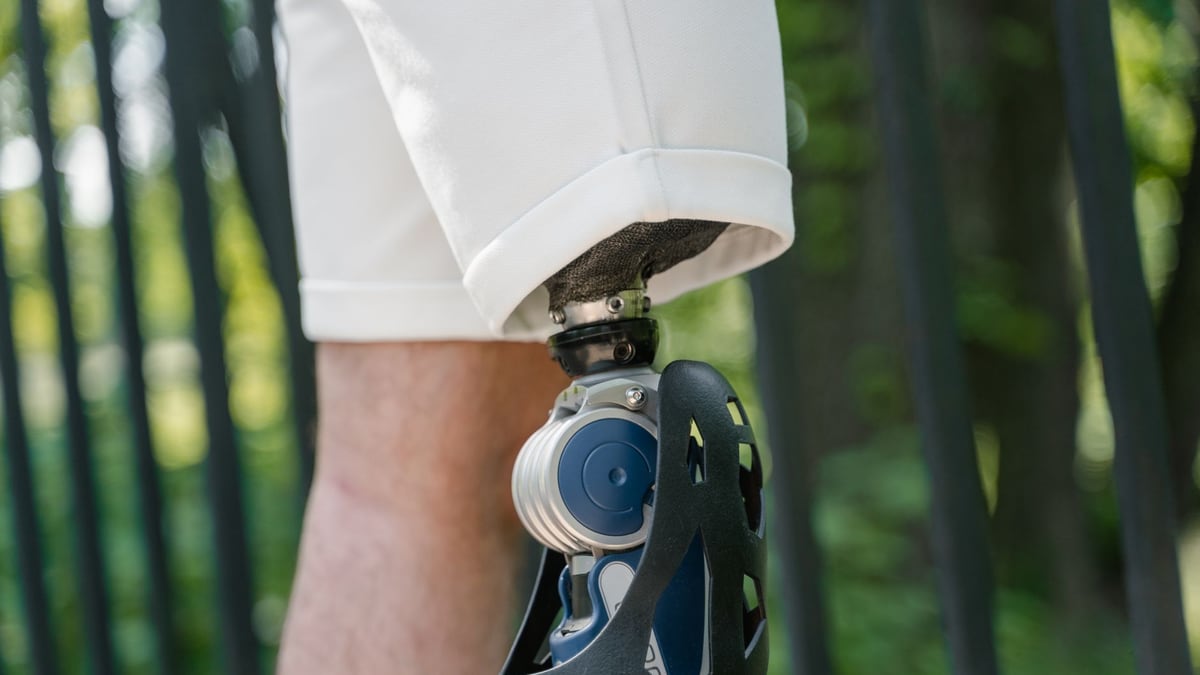
Moldova’s Ministry of Labour and Social Protection announced a partnership with the United Nations Development Programme to expand access to prosthetics, mobility aids, and rehabilitation services for people with disabilities in the country. The program is funded by the Chinese government.
About 160,000 people with disabilities live in Moldova, roughly 7 percent of the population. According to the announcement, many of them are unable to obtain orthopedic devices or wheelchairs in a timely manner. The partnership is framed as a response to that gap.
What the program is buying
Allocated funds will go toward direct purchases of prosthetics and mobility aids, prioritized for citizens most in need. The announcement does not specify which device categories, funding amounts, or eligibility criteria are in scope; those details were not reported in the account reviewed by this desk.
The program will also fund an upgrade to CREPOR, Moldova’s Republican Centre for Prosthetics. Equipment at the center will be updated, staff will receive training, and an electronic patient care system is planned. A new laboratory will be established where doctors and researchers can develop and test new types of prostheses.
The bureaucratic barrier component
One element of this program worth attention: specialists will be assigned to identify the main bureaucratic and practical difficulties patients face when completing paperwork and accessing medical care. That is not a standard feature of equipment procurement.
Access bottlenecks in prosthetics systems tend to accumulate in administrative process: documentation requirements, specialist referral chains, waiting lists for assessment before a device can be ordered. Purchasing devices without addressing those upstream problems often means devices arrive at a center that cannot efficiently get them to patients. Including a formal barrier identification process suggests the program is at least designed with that problem in mind.
What the partnership structure means
Natalia Plugaru, Moldova’s Minister of Labour and Social Protection, described the program in terms of independence and inclusion: “This partnership will help us strengthen the rehabilitation services system, expand access to high-quality assistive technologies and modernise the support system for people with disabilities. As well as investing in equipment and infrastructure, we are investing in people, in their independence, inclusion and equal opportunities.”
The structure is worth noting. This is a bilateral agreement between China and Moldova, implemented through a multilateral body, with the government ministry as the accountable implementation partner. That arrangement is common in international development and reduces the chance that funds stay at the procurement layer without reaching intended beneficiaries, though what UNDP oversight actually produces in practice varies by program.
The practical questions that will determine whether this works: How many people receive devices? Does the electronic patient care system reduce wait times or just digitize the existing queue? Does the barrier identification process generate recommendations that get implemented? None of those answers are in the announcement. They typically arrive, if at all, in program evaluations two or three years later.
What the announcement establishes is that Moldova has identified a gap in device supply and in the administrative processes that deliver devices, found international funding to address both, and connected capital procurement to an institutional upgrade at its national prosthetics center. That combination is more than most access programs attempt in one push.
This article covers an international development program announcement. Amputee News does not provide individualized medical, legal, or benefits advice. Rehabilitation and device access questions specific to your situation should go to a qualified clinical or benefits professional in your country.
Source notebook: This reporting draws on Logos Press report on the UNDP-Moldova prosthetics partnership ↗. We link out so you can follow the receipts.