
Adjustable fit, same walking speed: UPenn tests a prosthetic socket designed for growing children
A University of Pennsylvania feasibility study in 28 children found an adjustable, immediate-fit prosthetic socket matched conventional devices on walking performance, with significantly better scores on ease of adjustment and self-reported improvements in temperature and perspiration control.
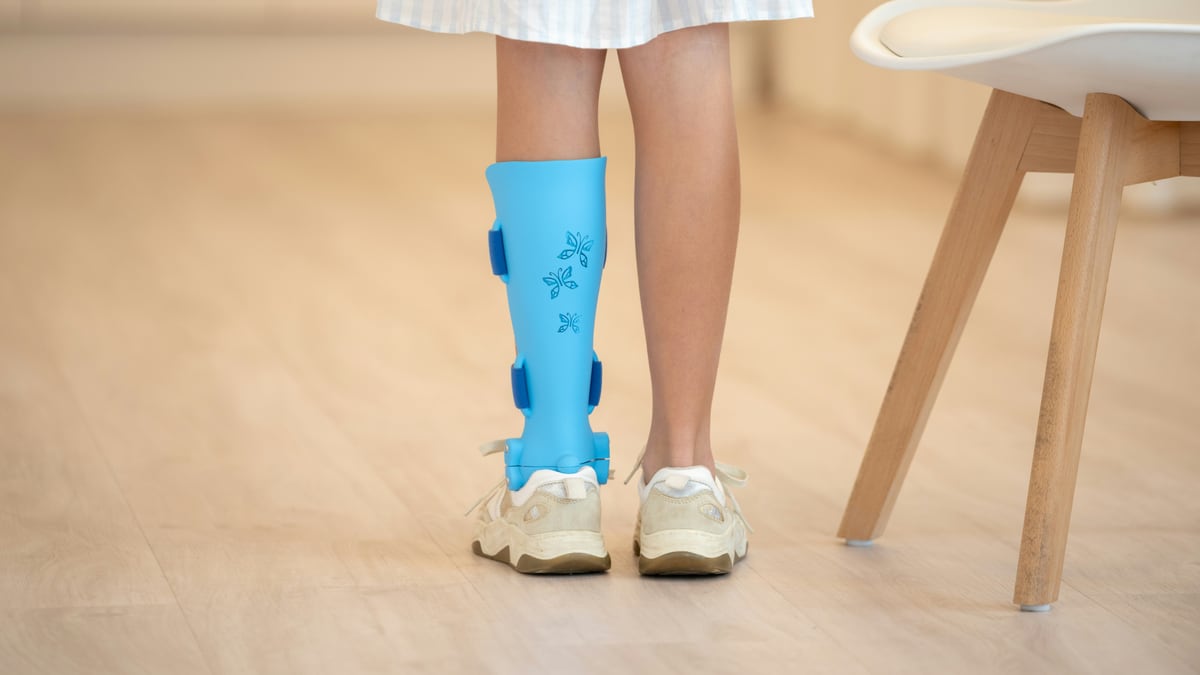
The central problem with pediatric prosthetics isn’t the technology. It’s that children grow and conventional sockets don’t. A research team at the University of Pennsylvania’s gait and biomechanics lab ran a feasibility study testing whether an adjustable, immediate-fit socket could handle that problem without trading away performance.
The study enrolled 28 children and adolescents with lower-limb loss, 14 boys and 14 girls, averaging 11.5 years old. Each participant wore an adjustable, immediate-fit prosthesis alongside their conventional device. Fifteen completed the full follow-up. The open-access paper was published in Archives of Rehabilitation Research and Clinical Translation.
What the numbers showed
Two findings reached statistical significance. First, ease of socket adjustment was significantly better with the adjustable device. Second, participants reported improved temperature and perspiration control.
Walking speed did not differ between devices. Pressure measurements inside the socket were comparable to the conventional device. There were no episodes of skin irritation, skin breakdown, or mechanical failure during the study.
On the Prosthetic Evaluation Questionnaire’s overall score, the adjustable device came out ahead, though not by a statistically significant margin.
Why growth accommodation matters
Children with limb loss typically need socket replacements every few months as the residual limb develops. Each replacement involves clinical visits, wait times, and cost, repeated on a schedule that can feel relentless for families. An adjustable socket is designed to let the fit be modified in place, extending the life of the device without requiring a full fabrication cycle.
The temperature and perspiration finding is more than a comfort note. Skin health problems are among the most common reasons prosthetic users reduce or stop wearing their devices, and that’s as true for children as for adults. Fit adjustments and skin integrity are connected.
What the study can and can’t say
With 28 participants and 15 completing follow-up, this is a feasibility study, not a powered trial. The authors describe their conclusions appropriately: the design is feasible, well-accepted, and may offer a practical option for children and families seeking a device that can accommodate growth. The word “may” is doing real work there.
The next questions are how this design performs over longer periods of genuine growth, not just a single follow-up window, and how insurers will categorize and reimburse it. Neither is addressed in this paper.
The full study is open access and available in Archives of Rehabilitation Research and Clinical Translation under the title “Adjustable pediatric prosthetic sockets to accommodate growth in children and adolescents with limb loss.”
This article reports published research findings and is not clinical advice. Talk to your child’s prosthetist about device options appropriate for their specific situation.
Source notebook: This reporting draws on O&P EDGE ↗. We link out so you can follow the receipts.