
SmartARM is pairing Meta AI glasses with a prosthetic arm prototype. The bet is that vision beats muscle signals for automatic grip.
A Canadian startup is testing whether camera data from smart glasses can let a prosthetic arm identify objects and pre-set its grip, instead of waiting for the user to consciously generate a muscle signal. The idea addresses a documented problem with upper-limb prosthetics, though the system is still a prototype.
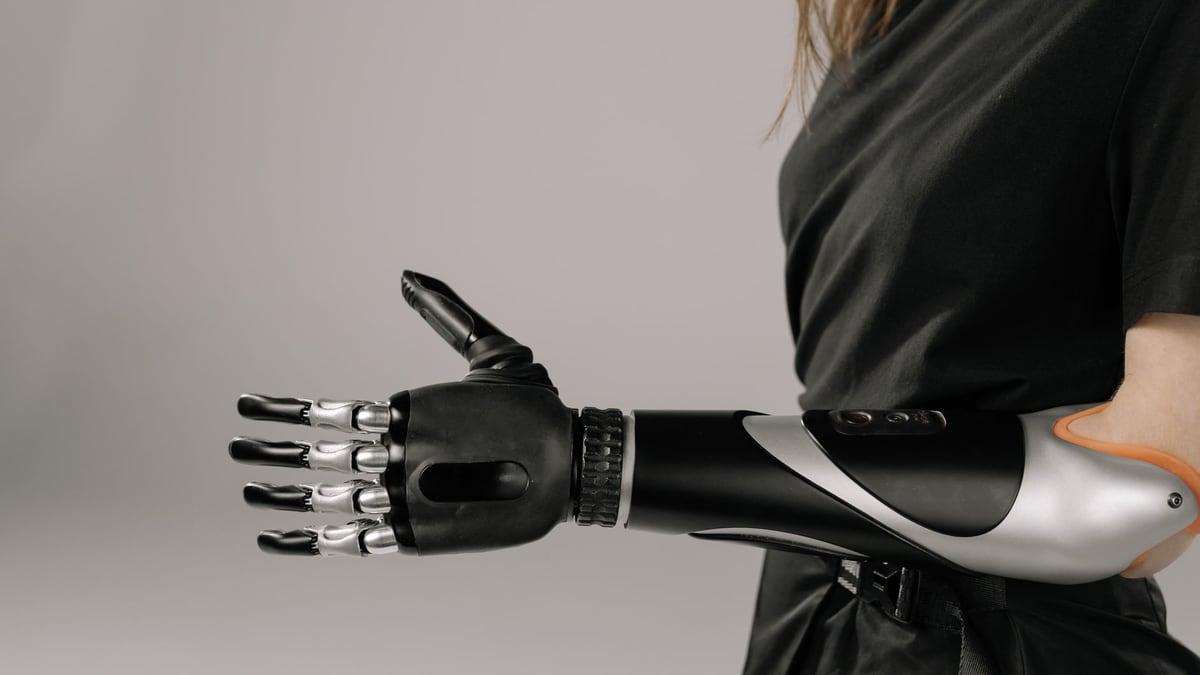
Canada-based smartARM is developing a prosthetic arm prototype that uses camera data from Meta AI smart glasses to identify objects in the user’s field of view and adjust the hand’s grip configuration before the user has to manually trigger anything. The approach was reported by The O&P EDGE this week. The system pairs the glasses’ hardware with open-source AI models, and smartARM says the commercial-off-the-shelf components are specifically chosen to keep manufacturing costs low.
What the current alternative requires
Most powered upper-limb prostheses on the market today use surface electromyography (EMG): electrodes inside the socket pick up electrical signals from the muscles in the residual limb, and the user learns to flex those muscles in deliberate patterns to switch between grip modes and open or close the hand. The system works, but it has a real learning curve. Users typically spend months practicing to generate the right signals reliably, and even experienced users often have to consciously switch modes before reaching for an object. Picking up a coffee cup requires a different grip configuration than picking up a pen, and the arm does not know which one you want until you tell it.
That gap between “I am reaching for something” and “I have correctly pre-configured my hand for that thing” is one of the reasons upper-limb prosthesis abandonment rates are higher than most people outside the field expect. Comfort and socket fit are among the most common reasons users report reducing or stopping use, but device complexity and the cognitive overhead of managing grip modes appear consistently in surveys of why upper-limb prostheses get abandoned.
What smartARM is testing
The smartARM prototype bypasses the EMG control layer for grip pre-selection. The glasses camera captures what the user is looking at and approaching, and the AI model running on the hardware identifies the object and selects a grip configuration. The arm adjusts before the user makes contact.
The company is using Meta AI smart glasses specifically because the hardware is already manufactured at consumer scale, already ships with a camera and onboard processing, and is sold at consumer prices. Pairing an existing wearable with an open-source model cuts the development cost of building a custom vision system from scratch. Whether the glasses stay part of the finished product, or whether the vision component eventually moves to a smaller embedded sensor, is not specified in the current reporting.
The prototype has not been described in published clinical literature. The O&P EDGE article does not include data on how the system performs across different lighting conditions, object types, or hand positions, or how it handles situations where what the user is looking at is not what they are reaching for. Those are the standard questions for any vision-based grip prediction system, and they tend to determine whether lab performance translates to daily use.
What this means now
The system is early. SmartARM’s announcement tells you the approach is being pursued, with a specific hardware choice and a cost rationale, but it does not tell you how the prototype performs in the kinds of conditions a real user encounters every day.
The cost argument is worth following. One recurring problem with upper-limb prosthetics technology is that the most sophisticated devices are expensive enough that insurance coverage becomes the deciding factor in who can access them, and coverage decisions often lag years behind device development. If a vision-based grip prediction system can be built around a commodity wearable instead of custom sensing hardware, the cost structure looks different from the start. That matters for access, not just for the startup’s margins.
For upper-limb prosthesis users watching this space: the idea is real, the problem it is trying to solve is real, and the hardware strategy is at least legible. What is not yet available is published performance data. That is what to wait for before drawing conclusions about whether this system closes the gap it is aiming at.
For background on how vision-assisted control compares to EMG and body-powered approaches, the upper limb prosthetic control systems guide covers all four paradigms and the decision factors.
This article covers a prototype-stage technology. It does not constitute advice about prosthetic device selection or clinical suitability for any individual.
Source notebook: This reporting draws on The O&P EDGE: Startup Combines AI Glasses With Prosthetic Arms, September 2026 ↗. We link out so you can follow the receipts.