
A Penn feasibility study tested an adjustable socket for kids who outgrow conventional prosthetics
Children with limb loss can outgrow a prosthetic socket every few months. A University of Pennsylvania study found that an adjustable, immediate-fit design was feasible, well-accepted, and matched conventional sockets on walking speed, with better marks on ease of adjustment and temperature control.
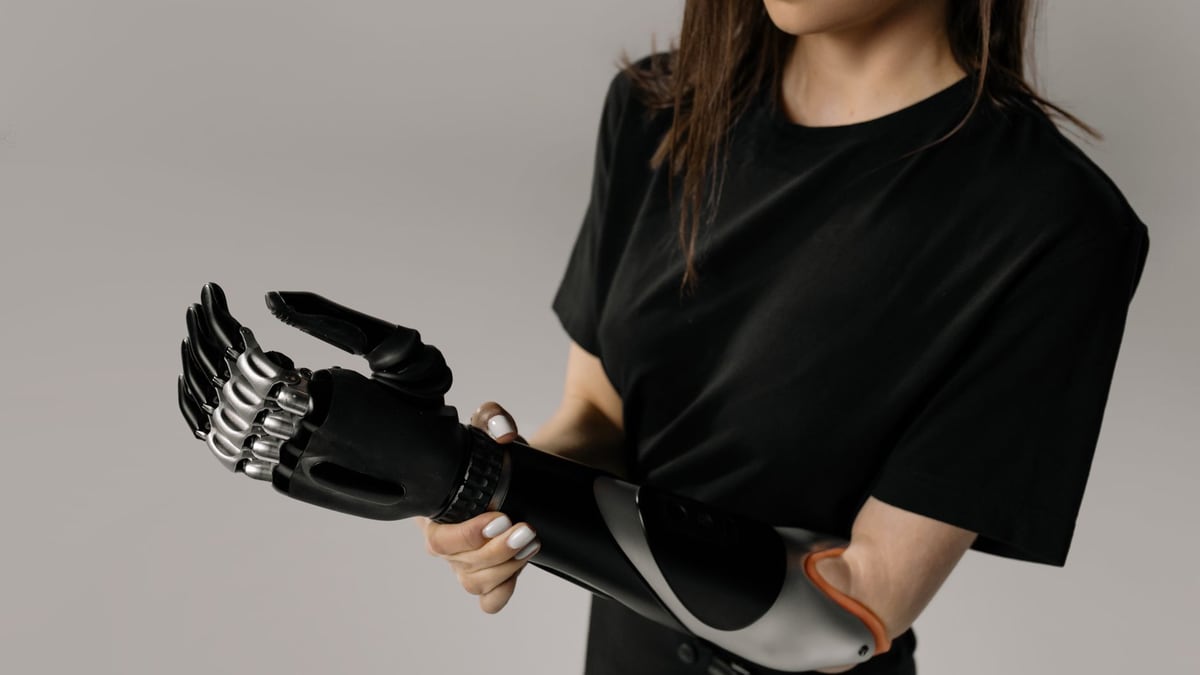
For a child with lower-limb loss, outgrowing a prosthetic socket is not a complication. It’s just growth. A school-age child may need a new socket several times per year, each requiring clinic visits, fabrication time, and, for many families, meaningful out-of-pocket cost.
Researchers in the gait and biomechanics lab at the University of Pennsylvania’s Department of Physical Medicine and Rehabilitation ran a small feasibility study on a different approach: an adjustable, immediate-fit socket designed to accommodate growth in children and adolescents. The study was published in the Archives of Rehabilitation Research and Clinical Translation, where it’s available open access.
What the researchers tested
Twenty-eight children and adolescents with lower-limb loss enrolled: 14 boys and 14 girls, with an average age of 11.5 years. Each was fitted with the adjustable prosthesis and used it alongside their conventional device. Fifteen of the 28 completed follow-up.
The researchers measured satisfaction and functional performance using the Prosthetic Evaluation Questionnaire, recorded walking speed, took intrasocket pressure measurements, and tracked any skin problems or mechanical failures.
What they found
Overall Prosthetic Evaluation Questionnaire scores favored the adjustable device, though not by a statistically significant margin. Ease of socket adjustment was the clearest win: participants rated that significantly better for the adjustable prosthesis.
They also reported improved temperature and perspiration control. Walking speed didn’t differ between the two designs, and intrasocket pressures were comparable across devices. No participant developed skin irritation or skin breakdown, and no mechanical failures occurred during the study.
What this means for families
The researchers describe the results as evidence of feasibility: the device can be fitted to children, children and families accepted it, and it doesn’t appear to compromise the functional performance of a conventional socket.
The safety data matters as much as the adjustment feature. A design that accommodates growth but introduces new skin problems or slows a child down would have limited practical value. This study found neither.
That said, 15 of 28 participants completing follow-up is a small number, and the study was designed to test feasibility rather than compare outcomes across a larger population. The researchers have established that the device works and that kids will use it. A larger controlled trial would be needed before this approach could be recommended broadly.
The next question
Pediatric prosthetics sit in a part of the coverage system where smaller patient populations and faster rates of physical change create access problems that adult coverage rules were not designed to handle. Even a device that performs well on several measures may face coverage challenges if payers don’t recognize the clinical rationale for paying for adjustability in a growing child.
The study itself doesn’t address insurance. But that’s the question families will eventually have to put to their prosthetist, their insurer, and, depending on the state, their Medicaid managed care plan.
For families currently in the pediatric fitting process, asking specifically about adjustable or growth-accommodating socket options at the next appointment is a reasonable first step. Not every clinic stocks them, and not every child will be a candidate, but the published data now gives families something concrete to bring to the conversation.
This article is based on published research and is for general informational purposes only. It is not clinical advice. Prosthetic fitting decisions for children should involve a certified prosthetist with pediatric experience.
Source notebook: This reporting draws on O&P EDGE: Adjustable Pediatric Prosthetic Socket Shows Promise, October 2026 ↗. We link out so you can follow the receipts.