
Upper-limb prostheses span a wide design range. A new review finds the limitations converge.
Researchers analyzed hands, wrists, and elbow devices across control types and structural approaches. The finding that similar constraints run across the category is more useful than it sounds.
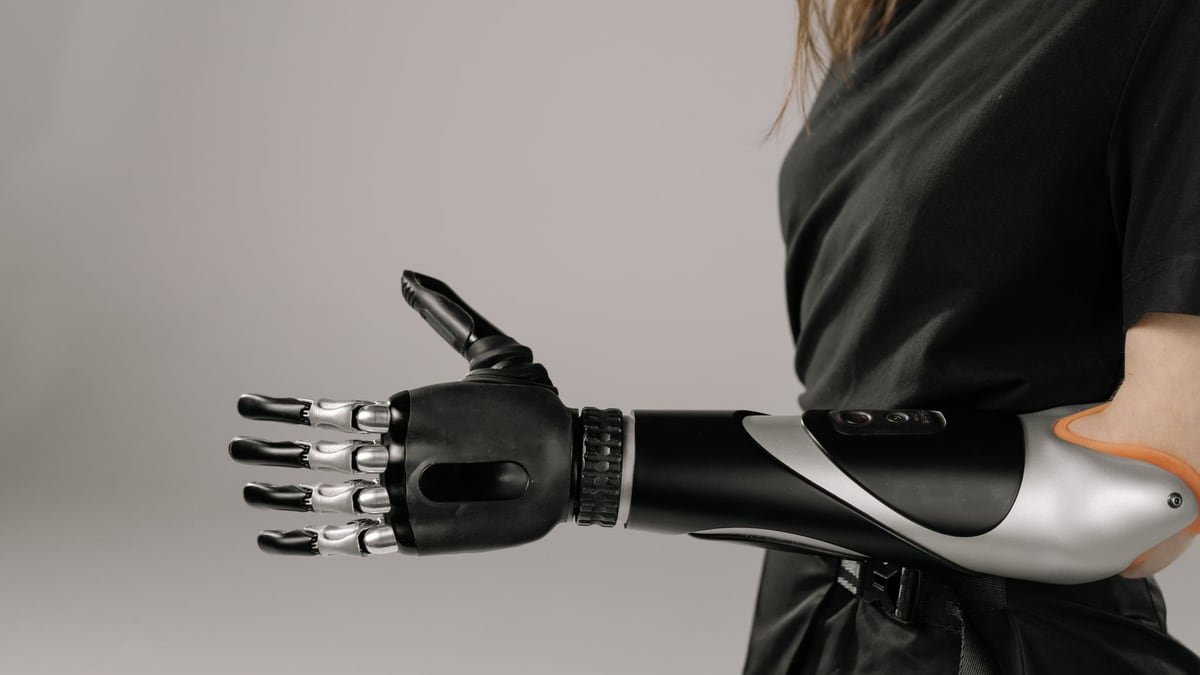
Upper-limb prosthetic devices occupy a wide design space. A body-powered hook and a multi-articulating myoelectric hand do not look like cousins. Passive cosmetic devices, cable-driven terminal devices, powered elbow units, and multi-grip hands represent meaningfully different approaches to the same underlying problem. The marketing around any particular device can imply that the gap between what you have and what you could have is large.
A narrative review reported by The O&P EDGE takes a more measured look. Researchers examined upper-limb prosthetic technologies, specifically hand, wrist, and elbow devices, and analyzed their structural characteristics, control mechanisms, and clinical implications. The headline finding: similar limitations appear across the category, regardless of design approach.
What that actually means
This is easy to misread as a blanket statement that nothing works or that the field has stalled. That is not the right frame.
What the finding points to is that certain constraints are not device-specific: they are architectural, and the entire field is working on them. Meaningful sensory feedback is one. The gap between gross grip strength and fine-motor dexterity in complex tasks is another. These problems do not disappear when you move from one design philosophy to another, because they involve the interface between an engineered device, variable muscle signals, and a nervous system that evolved for a limb that behaves very differently.
Knowing that helps locate the real question. It shifts the conversation from “which device is better” toward “which device is better for this task, this person, this environment, and this budget,” which is where clinical decision-making should actually live.
The control landscape
Upper-limb devices broadly organize around a few control approaches:
- Body-powered: mechanical cable transmits movement from a shoulder or elbow harness to a terminal device. Reliable, durable, provides inherent proprioceptive feedback through the cable.
- Myoelectric: surface electrodes detect residual-limb muscle signals to drive a motorized component. Offers cosmetic advantages and no harness in some configurations; requires intact and trainable EMG signals.
- Hybrid: combines both, often a body-powered elbow with a myoelectric terminal device or vice versa.
The narrative review examined devices across this range and analyzed how the structural and control choices translate in clinical practice. The O&P EDGE summary indicates the comparison was illuminating, and that the picture across approaches revealed convergent rather than divergent constraint profiles. The full published paper will carry the methodology, specific device categories, and outcomes data.
What this means for a fitting conversation
Upper-limb device selection is highly individual. Level of amputation, the specific tasks a person needs to perform, work environment, skin sensitivity, weight tolerance, and personal preference all bear on whether a given device gets used or gets abandoned.
Device abandonment rates in the upper-limb category are meaningfully higher than in lower-limb prosthetics. Research has consistently linked abandonment to unmet functional expectations, discomfort, and weight. A review that clarifies where the shared ceiling is can make the expectations conversation more honest before someone commits to a device.
Questions worth bringing to a fitting appointment:
- What specific limitation does this device address that my current approach does not?
- Where does this design still share constraints with alternatives I have already tried?
- What does the evidence say about long-term use for my activity profile, and what are the common reasons people stop using devices of this type?
- What does maintenance look like, and what is the recovery path when a component fails in the field?
The goal is to arrive with enough precision to evaluate what is actually being offered, not to arrive expecting a ceiling the field has not yet reached.
Where the field stands
Upper-limb prosthetics is an area of active research and real incremental progress. What a review that maps shared limitations contributes is something more useful than hype in either direction: an honest account of where the frontier is, so clinicians and users can locate specific problems rather than chasing generic promises.
Progress on sensory feedback, intuitive control, and durability is real but uneven. The value of a finding like this is not that it forecloses hope. It is that it focuses effort.
Amputee News does not provide individualized device recommendations. Upper-limb prosthetic choices involve clinical, functional, and personal factors that require direct assessment by a qualified prosthetist. Discuss your situation with your care team.
Source notebook: This reporting draws on The O&P EDGE's report on a narrative review of upper-limb prosthetic technologies ↗. We link out so you can follow the receipts.