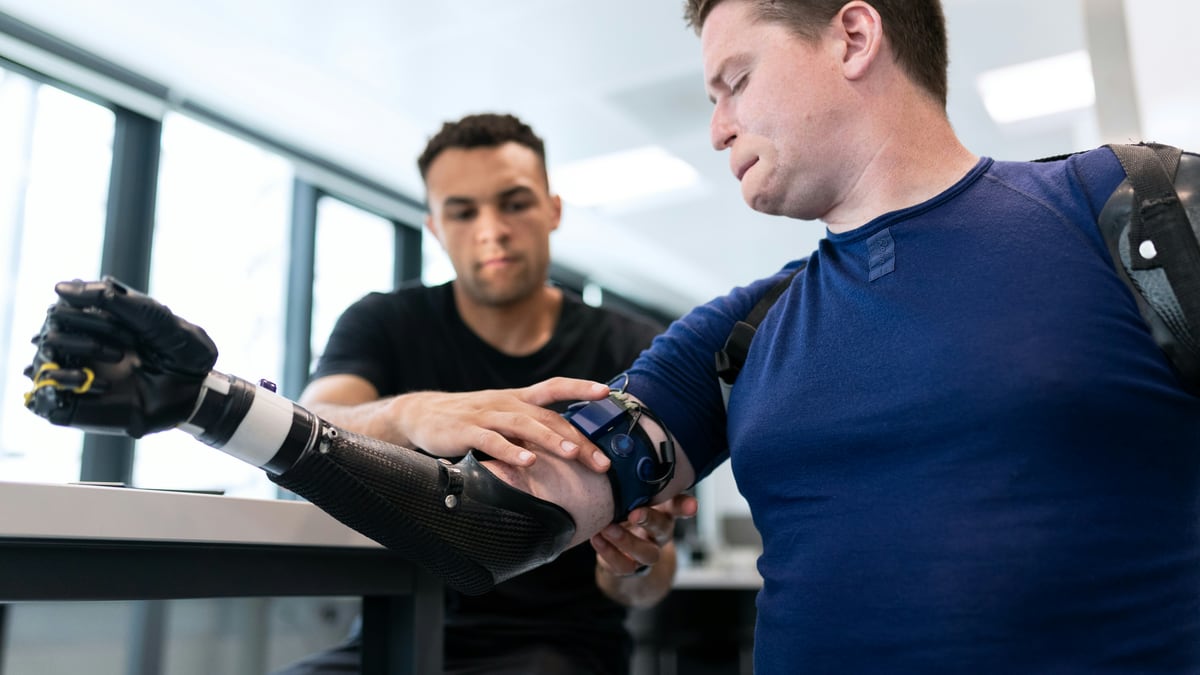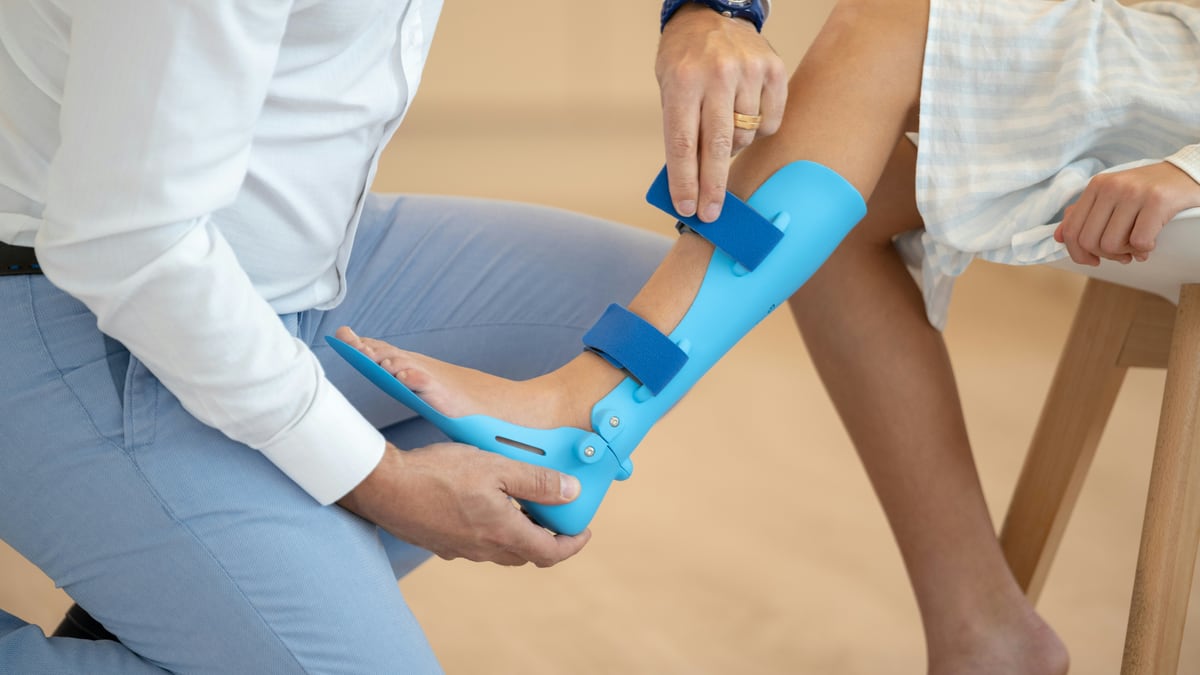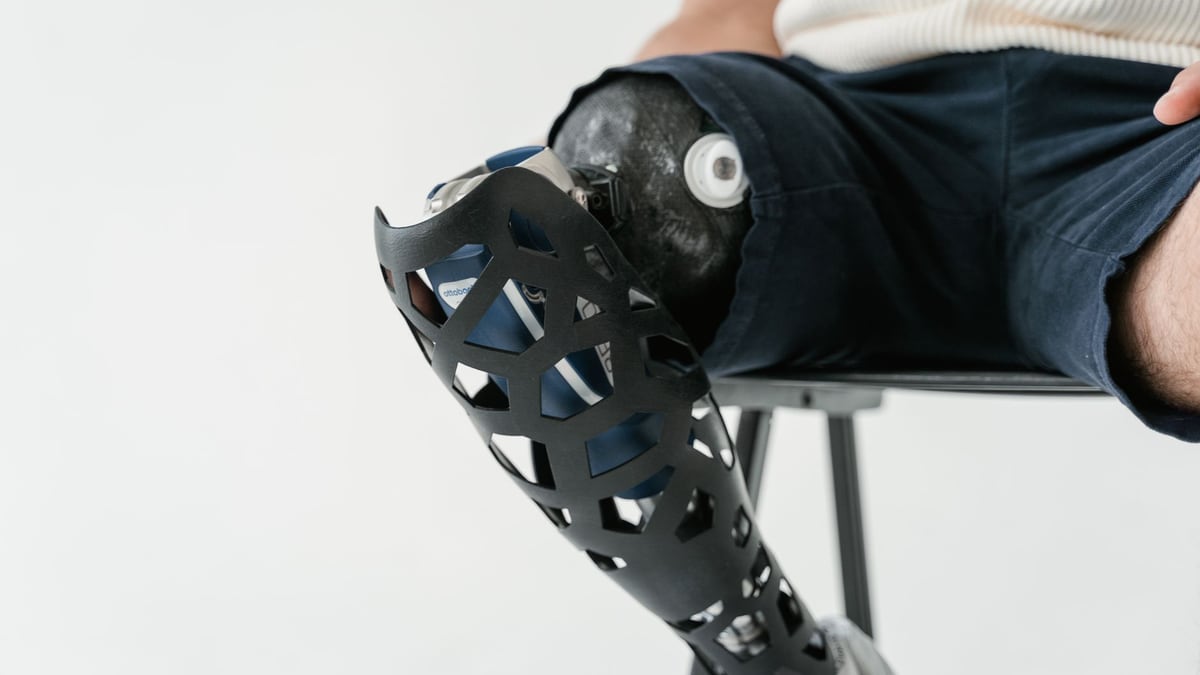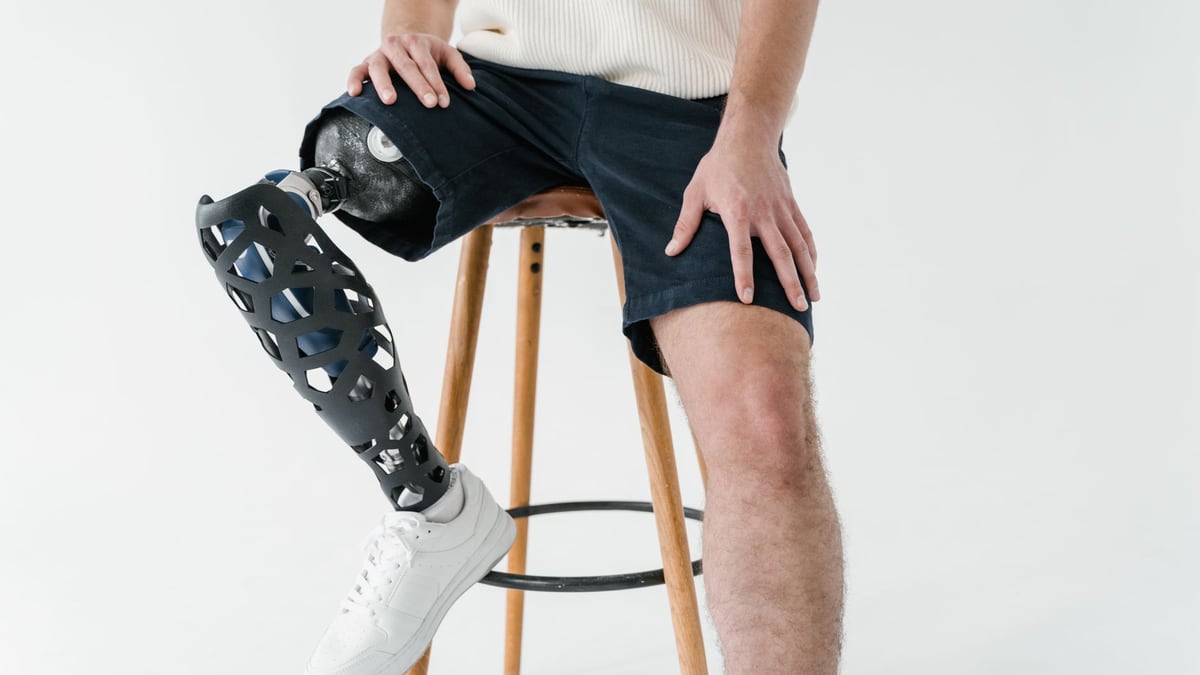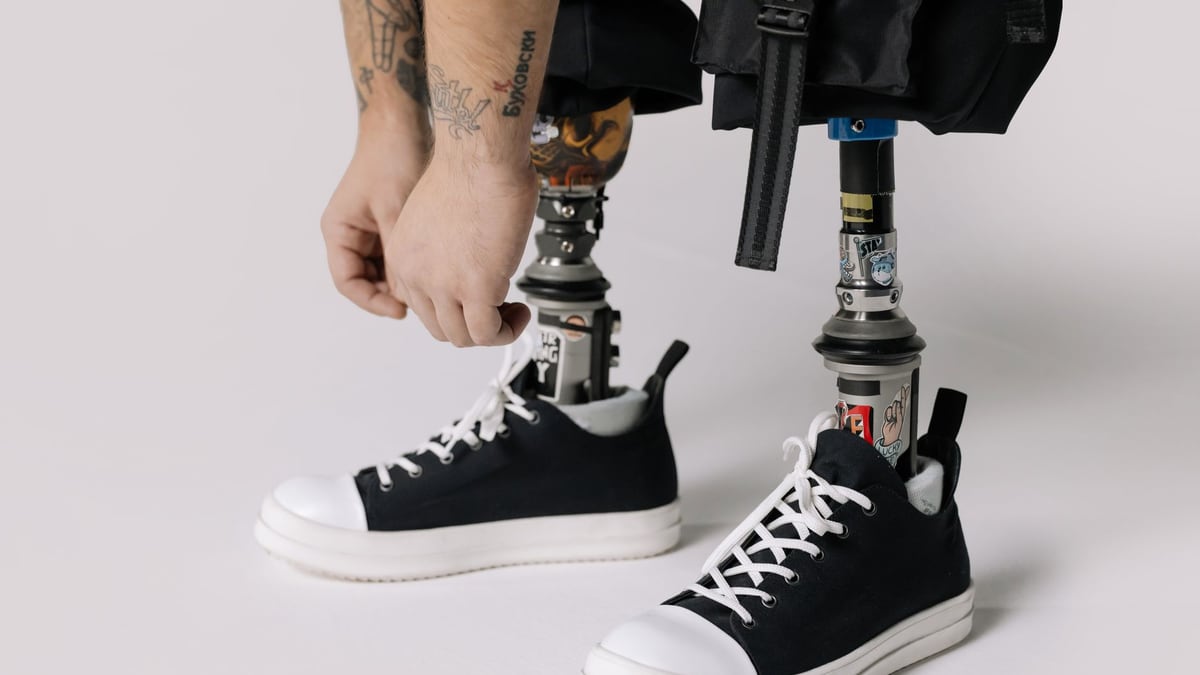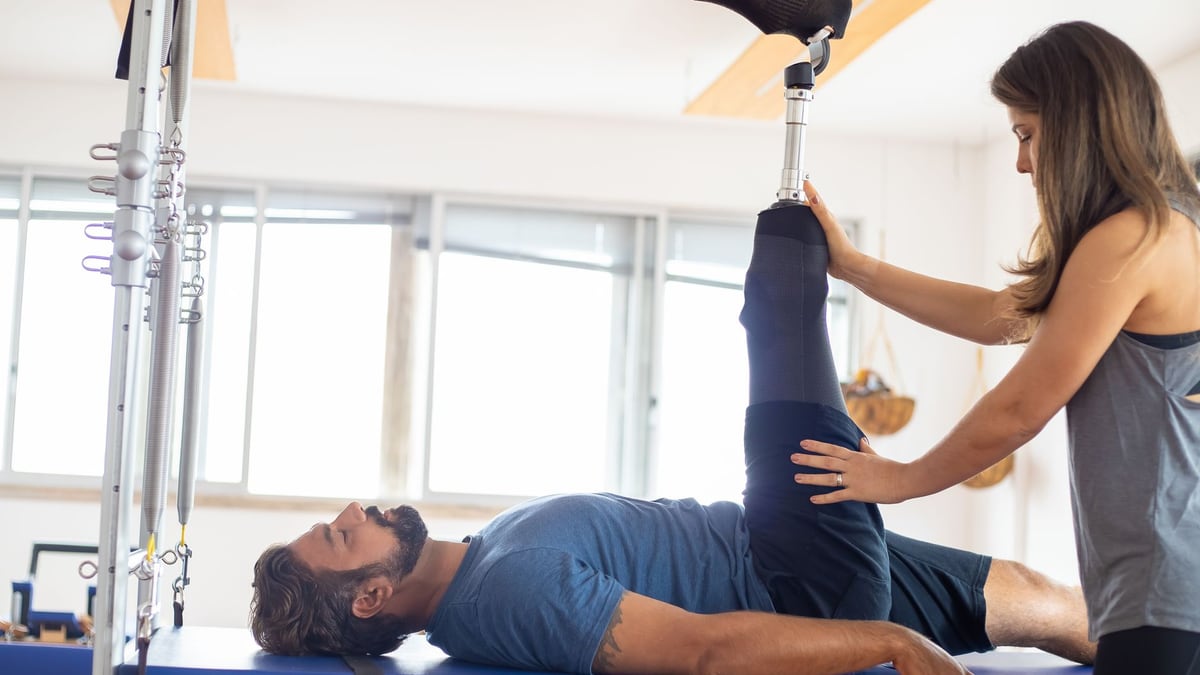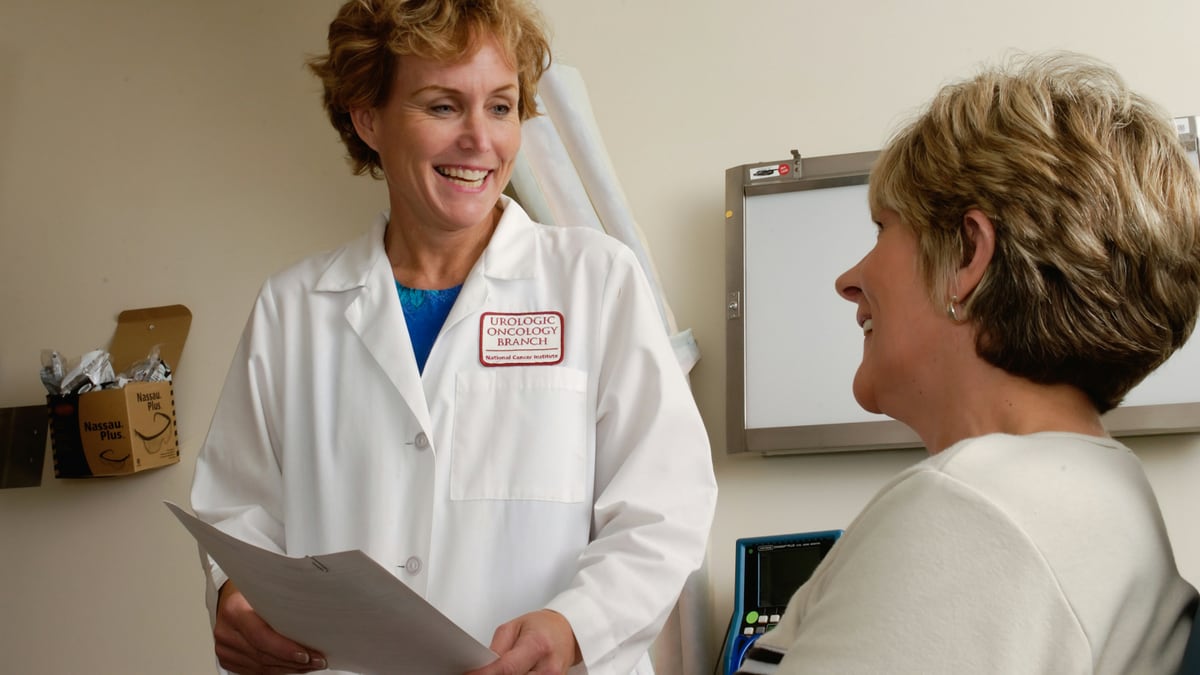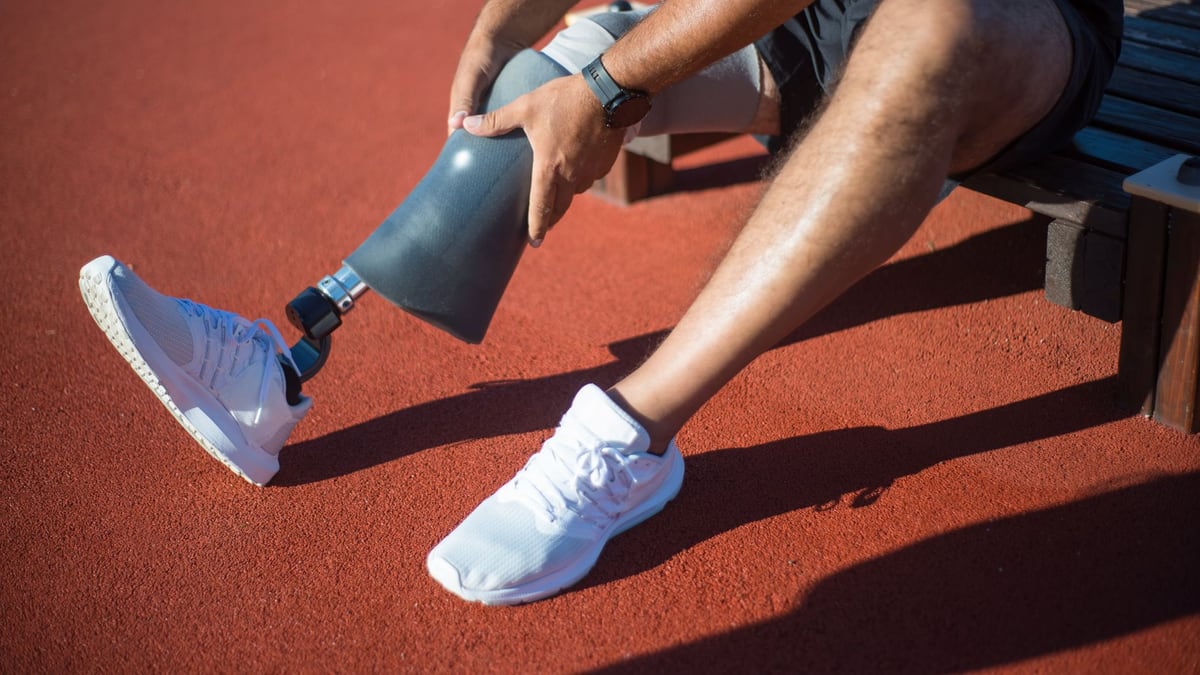
How to find and evaluate a prosthetist
What certifications to look for, what questions to ask before your first appointment, and what to do when your insurance network is thin.
The useful shelf
Starting points for the practical stuff: appointments, travel, gear, work, and finding people who get it.
What certifications to look for, what questions to ask before your first appointment, and what to do when your insurance network is thin.
Pain in the remaining limb after amputation has several distinct causes — socket fit, neuromas, skin breakdown, and bone-related changes. An orientation to each, how to tell them apart, and what warrants a call to your care team.
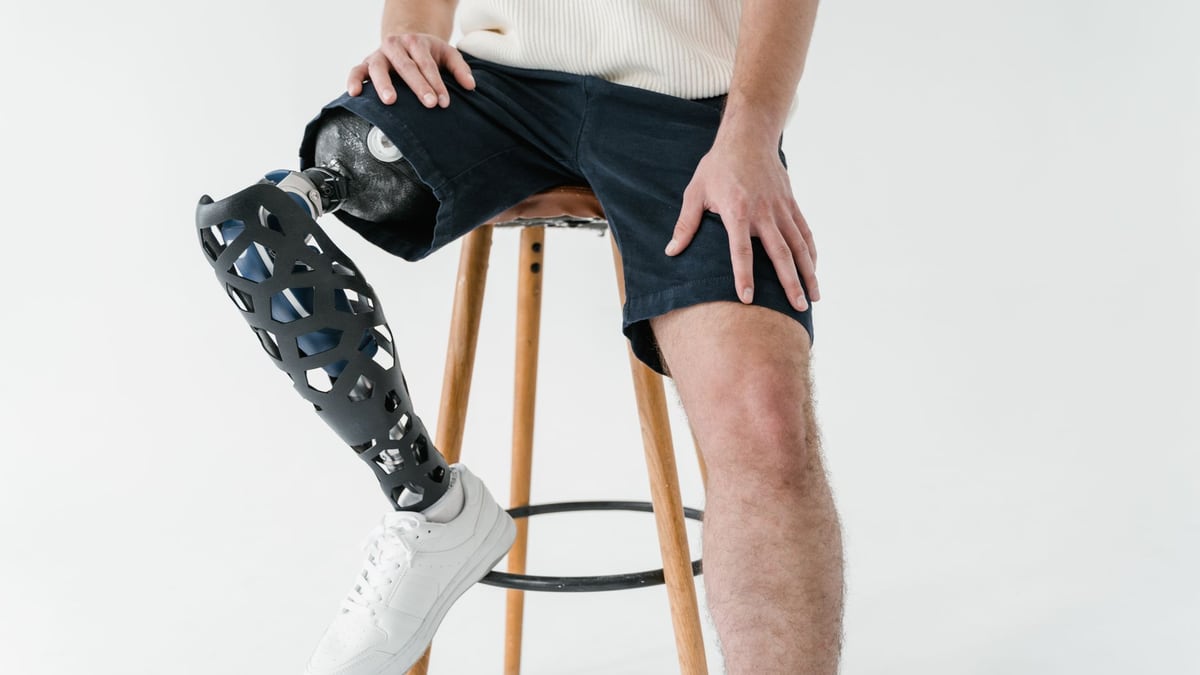
An orientation to prosthetic leg options — what amputation level determines, how foot, ankle, and knee systems differ, what the research shows about real-world use, and what to expect from fitting and insurance.
A practical guide for family members, partners, and close supporters of people after amputation — what the adjustment period looks like from the outside, what kinds of support actually help, and how to recognize when you also need resources.
Children outgrow components, need a different kind of clinical expertise than adults, and navigate funding systems that were mostly designed for someone else. A practical orientation for families in the first year and beyond.
Socket fit problems fall into two categories: normal daily variation you manage yourself, and something-has-actually-changed that needs a clinic appointment. Here is how to tell them apart, what to document, and what to say when you call.
The psychological and emotional side of limb loss is real, variable, and often under-addressed. A practical guide to what is common in the adjustment process, what signals are worth acting on, and what kinds of support actually exist.
A standard 72-hour emergency kit says nothing about spare liners, microprocessor knee batteries, or skin care when the water's off. Filling those gaps is practical, not dramatic — and it's better done on a Tuesday afternoon than during an evacuation.
The hour after you remove the prosthesis is when most limb problems either get caught early or get a head start. A practical walkthrough of the evening routine — skin inspection, liner care, socket maintenance, and overnight volume management.
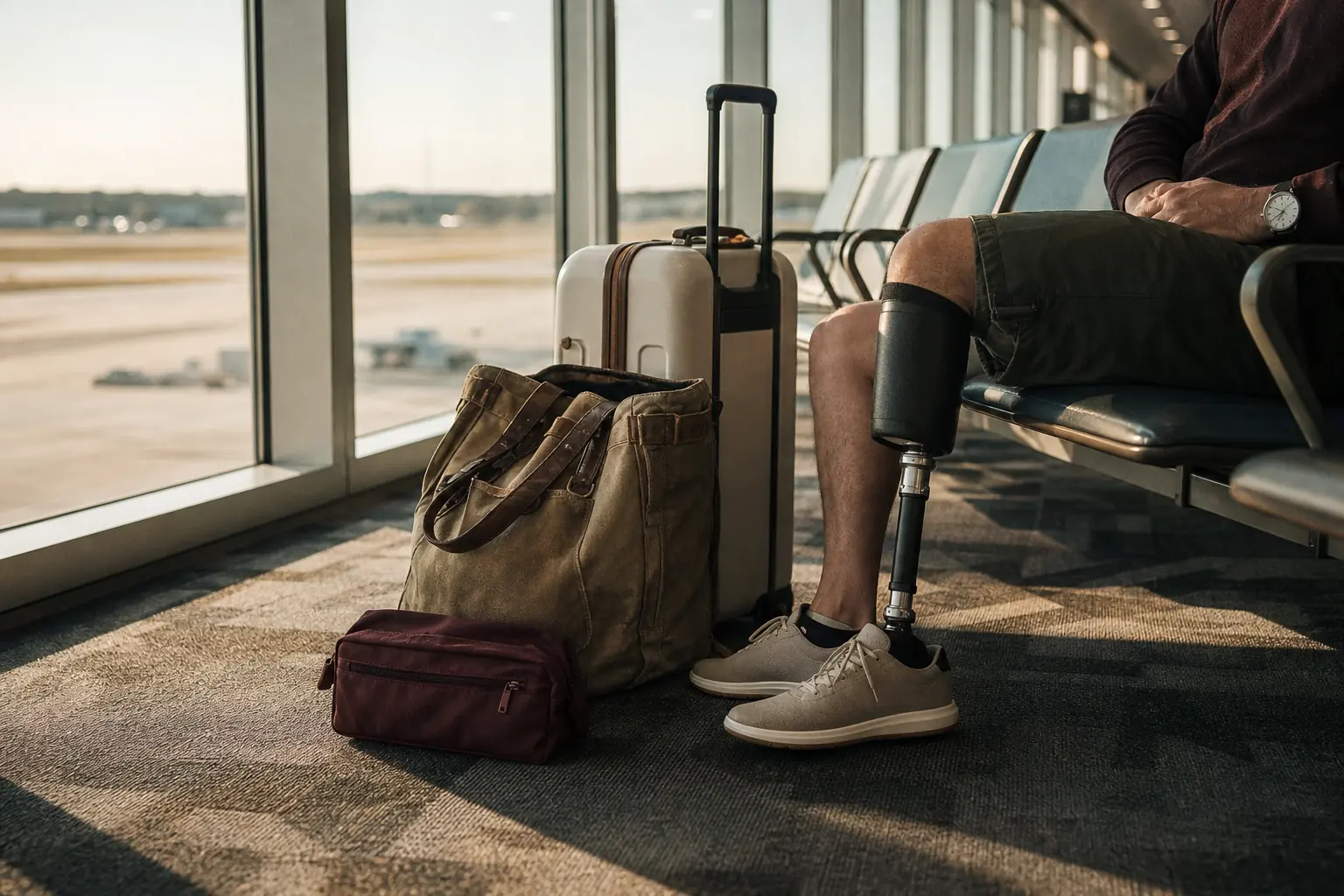
TSA screening for prosthetic users is not random. Understanding the options in advance — AIT, pat-down, TSA Cares — makes the checkpoint and the flight itself more predictable and less of an event.
An orientation to phantom limb pain — how common it is, what the research says about its causes, and the documented approaches clinicians use, so you can have a more informed conversation with your care team.
What actually happens when a prosthetic limb meets water — how components differ in what they tolerate, what dedicated water prosthetics exist, how to care for residual limb skin after water exposure, and what to ask your prosthetist before you get in.
Most prosthetics aren't waterproof, and nobody tells you what to do about that. A no-fuss orientation to showering and bathing with limb loss — equipment worth knowing about, decisions worth having with your clinical team, and the baseline safety logic.
Medicaid is a state-by-state program, and prosthetics are an optional benefit—meaning coverage ranges from comprehensive to nearly nothing depending on where you live. A practical walkthrough of how to find your state's rules, what prior authorization typically requires, and what to do when coverage falls short.
Component failure happens. The gap between broken and repaired has predictable steps, and knowing them ahead of time makes the experience considerably less chaotic. A practical guide to emergency contacts, Medicare repair coverage, backup mobility, and what to document.
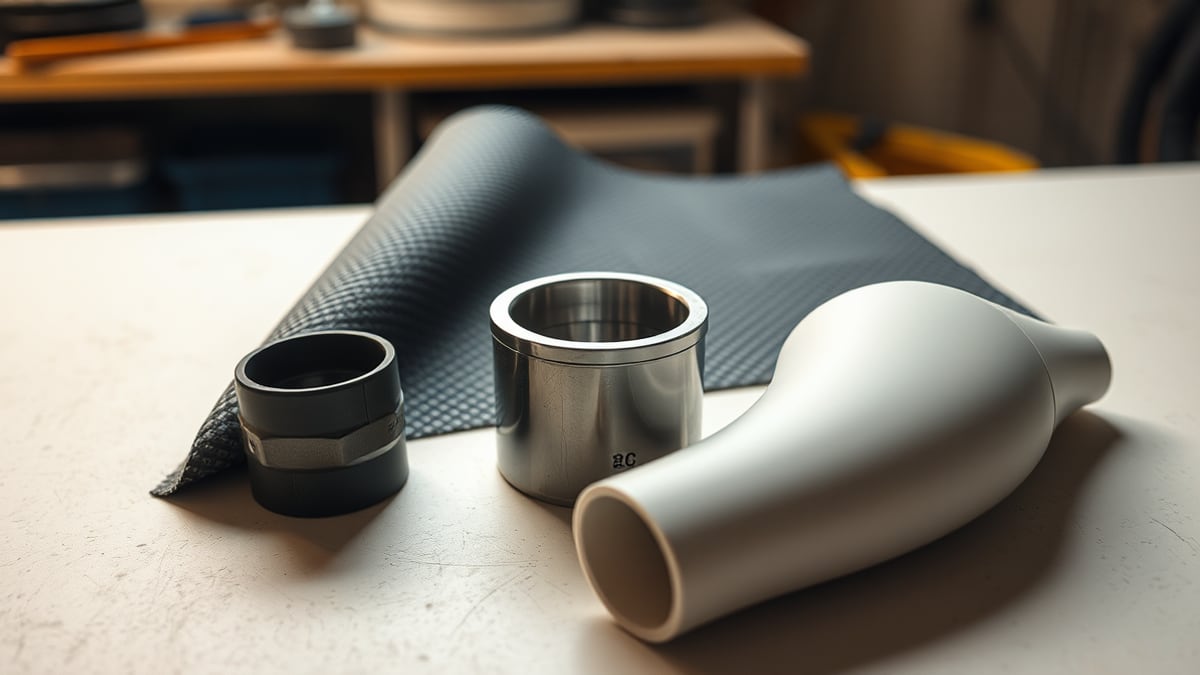
Unilateral amputees load the intact limb asymmetrically. That is a documented biomechanical fact, not a personal failing. This guide covers what to watch for, when to act, and what your clinical team can actually do about it.

The checkpoint is not random. TSA has documented procedures for prosthetics, clear rules on batteries and liquids, and a helpline you can call before you leave. Knowing the system ahead of time is less stressful than discovering it under fluorescent lights.
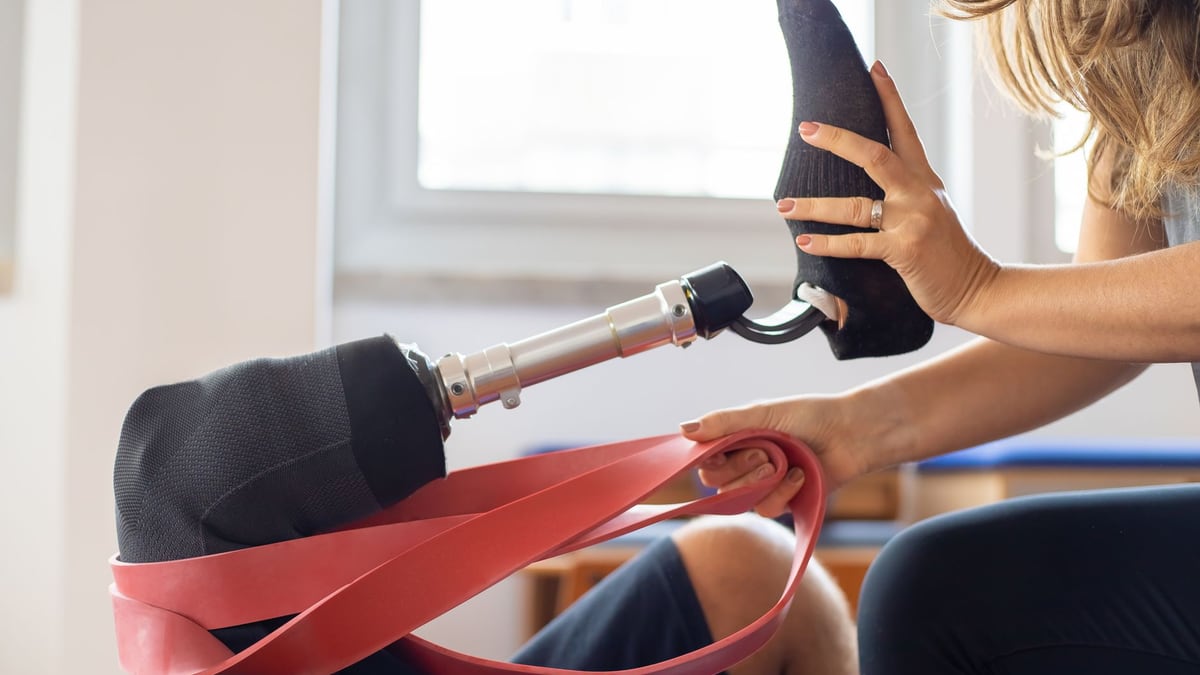
A practical guide to prosthetic use in cold weather — how low temperatures affect liners, sockets, and powered components, plus surface safety and layering strategies for amputees.
O&P clinic turnover is a documented reality. The records that make your care continuable — socket measurements, device history, prior authorization documentation — are yours by right. A practical guide to maintaining your own prosthetic record before you need it.
A patient-facing orientation to bone-anchored prosthetics — how osseointegration works, what the research says about candidacy and outcomes, and what questions to ask before a surgical consult.
Medicare classifies prosthetic candidates on a K0–K4 functional scale before it will approve a device. Understanding where that number comes from, what it opens and closes, and what to do when it seems wrong is practical information worth having before you need it.
Most people with a limb amputation can drive. The path runs through a driver rehabilitation evaluation, possible vehicle modifications, and state licensing paperwork — not through guessing, and not through giving up the keys.
A plain-language guide to Social Security disability benefits for amputees — how SSA defines 'loss of use,' what the application process involves, and how Medicare timing connects to SSDI eligibility.
An orientation to prosthetic arm and hand options — body-powered, myoelectric, activity-specific, and passive — what each is designed to do, what the research says about real-world use, and what to expect from insurance.
Practitioners move, practices consolidate, and burnout is reshaping the O&P workforce. If your prosthetist leaves—or you suspect they might—here is what to do, when to do it, and who else you need in the loop.
Waiting for a Medicare prior authorization decision on a prosthesis or orthosis is not nothing. There are a handful of things you can do to keep the process from stalling — and a few things to understand about what you cannot hurry.
A prior authorization denial or a claim rejection is not automatically the last word. Here are the five appeal levels, what each one requires, and what documentation actually helps.
Heat creates three distinct problems for prosthesis users — suspension failure from sweat, volume shifts from vasodilation, and elevated skin-breakdown risk. Each one has a different fix.
Where to find programs, what to ask when you call, how equipment loans and grants work, and what each major sport category actually requires to start — without the inspirational detour.
The discharge window is short, often rushed, and it shapes your prosthetic access pathway more than most people realize. What to ask, who to ask it of, and what to carry out the door before someone wheels you to the curb.
A denial is step one of a defined appeals process, not the final word. A walkthrough of how Medicare claims appeals actually work for prosthetics — who files, what documentation matters at each stage, and how to decide whether to lead or let your clinic's billing team.
Millions of veterans are enrolled in both VA health care and Medicare. The two programs are independent—which one covers your prosthetic care depends on where you receive it, not which benefit you'd prefer to use.
The Americans with Disabilities Act creates defined obligations for most employers when an employee with limb loss asks for a workplace accommodation. Understanding what the law actually requires — and what it doesn't — is practical information before the conversation happens.
Whether you're on traditional Part B or enrolled in a Medicare Advantage plan determines how prosthetic coverage is authorized, which providers you can use, and how long the process takes. The distinction is worth understanding before you need a device.
Skin breakdown is one of the most common reasons people stop using a prosthesis. Here is the daily routine that interrupts the cycle before it gets expensive.
Medicare uses a five-tier functional classification to determine which prosthetic components it will cover. Here is what each level means, how the assessment works, and what to do when the number seems off.
Why a residual limb swells and shrinks, how prosthetic sock ply actually works, and a calm routine for adding and removing socks without turning fit into a guessing game.
How we will handle product links, affiliate commissions, updates, and the rare but important moment when a recommendation needs to disappear.
A simple prep list for bringing the useful details, asking direct questions, and leaving with an actual next step.
A low-pressure way to find people who understand limb loss, ask for the kind of support you want, and leave if a space is not for you.
Practical planning prompts for airports, road trips, spare supplies, and giving yourself a little more margin than the itinerary wants.