
Prosthetics without insurance: what's actually available and how to access it
Limb loss without health coverage is not a dead end, but the paths are slower and less obvious. A practical map of programs, advocacy options, and realistic timelines for people who don't have Medicare, Medicaid, or private insurance.
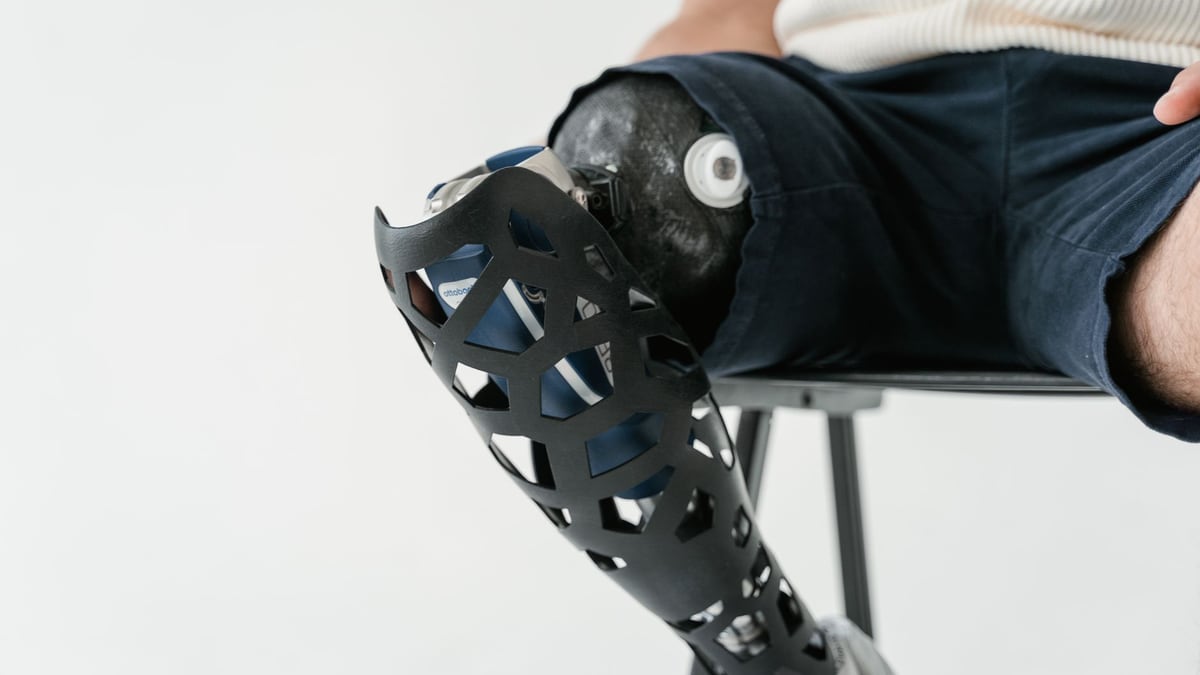
This is the guide for people who do not have health insurance and need a prosthetic device. The situation is real and the options are fewer than they should be. They are not zero.
What follows is a map of the programs that exist, the conditions attached to each, and what to expect in terms of timeline. None of this is simple, and none of it is fast. But a social worker, a case manager, or a patient advocate who knows this landscape can move things faster than you can alone, and that is worth knowing at the start.
Start with Medicaid: most people in this situation qualify or are close
The first question is whether you actually qualify for Medicaid and don’t know it. That is more common than people expect, particularly after a major medical event like an amputation.
Medicaid eligibility is determined by your state and your income. In states that expanded Medicaid under the Affordable Care Act, a single adult earning up to roughly 138% of the federal poverty level qualifies. A hospitalization and recovery period often means reduced or no income during exactly the window when you need coverage. If your income dropped because of the surgery and recovery, your eligibility may have changed.
Medicaid generally covers prosthetic devices, though the scope of that coverage varies significantly by state: some states cover a device equivalent to what Medicare would provide; others limit coverage more narrowly. Your state Medicaid program’s prosthetics coverage is worth knowing specifically, not just in general terms.
To check eligibility, go to HealthCare.gov or your state’s Medicaid agency directly. A hospital social worker can also run an eligibility check during your inpatient stay, which is the fastest route if you’re still in the hospital.
If you’re not eligible for Medicaid because your income is above the threshold, the rest of this guide applies more directly to your situation.
Community health centers: a starting point for care coordination
Federally qualified health centers, funded through HRSA, operate on a sliding-scale fee structure based on income. They do not fit prosthetic devices themselves, but they can provide the primary care and referrals you need to enter the prosthetics system, including documentation for device requests, letters of medical necessity, and coordination with specialty care.
For people without insurance, a community health center is often the most reliable place to establish care, get prescriptions, and have someone who knows your file advocating with outside specialists on your behalf.
The HRSA Health Center Finder locates centers by zip code. No one is turned away based on ability to pay.
If you are a veteran
Veterans’ prosthetic benefits through the VA are not limited to people with service-connected disabilities. The VA can provide care to veterans who meet income and other eligibility thresholds even without a service-connected condition. This pathway is separate from VA disability compensation and is worth checking if you served, regardless of how you view the relationship between your service and your current situation.
The VA’s Prosthetics and Sensory Aids Service is the relevant program. Enrollment in VA healthcare is the prerequisite; VA.gov has the enrollment application. If you were recently discharged and are in the 5-year window of presumptive eligibility, that process is faster.
Veterans with a service-connected limb loss qualify for broader and faster access through the VA’s disability compensation system. The non-service-connected pathway is available but requires demonstrating financial need.
Nonprofit prosthetic assistance programs
Several organizations provide direct financial assistance or donated devices for people who cannot pay for a prosthesis. None of them have unlimited capacity, and most have an application process that takes time.
The Amputee Coalition maintains a resource directory of funding and assistance programs at amputee-coalition.org/resources. This is the most comprehensive publicly available list of prosthetic assistance programs in the US, and it is worth reviewing before applying to any single program, because eligibility criteria differ.
The Challenged Athletes Foundation provides grants for adaptive sports equipment, which can include prosthetic components appropriate for athletic use. Their grants are activity-specific and tied to documented athletic goals.
The Limb Kind Foundation and Prosthetic Hope International work primarily with pediatric and international populations; they may be able to connect adults with other resources even if their own programs don’t fit.
Some O&P manufacturers have charitable or reduced-cost programs for specific device types, particularly for pediatric users and for people in documented financial hardship. This is not advertised on product websites; it requires asking the clinic or contacting the manufacturer’s patient services line directly.
The quality and funding availability of nonprofit programs varies significantly year to year. An assistance program that existed 18 months ago may have closed or changed its eligibility criteria. Verify current status before spending time on an application.
Hospital charity care and financial assistance
If your amputation happened at a nonprofit hospital (the majority of US hospitals are nonprofit), that hospital is legally required under the ACA to have a financial assistance policy, and to provide free or discounted care to patients who qualify. The eligibility threshold and the discount structure vary, but many hospitals cover patients up to 200-400% of the federal poverty level.
This applies to hospital services: the surgery, inpatient stay, and acute care. It typically does not extend to outpatient prosthetic fitting by an independent O&P clinic. But getting the hospital bill addressed means you are not also carrying that debt while trying to access prosthetic care.
Ask for the hospital’s financial assistance policy by name. Find out whether the application covers physician charges separately from facility charges (they often bill separately and may have different assistance programs). A financial counselor can usually help you apply before you are discharged.
Some older facilities still carry Hill-Burton obligations: federally mandated charity care requirements tied to past construction grants. The HRSA maintains a list of facilities with current Hill-Burton obligations at hrsa.gov/get-health-care/affordable/hill-burton. This pathway is less common than it used to be, but it applies to some facilities that people don’t know to ask about.
State vocational rehabilitation
If you are working, recently became unable to work, or are working toward employment, your state’s vocational rehabilitation program may fund prosthetic devices as part of a return-to-work plan. The catch is significant: there has to be an employment goal attached to every funded item. A prosthesis funded through VR is framed as assistive technology enabling you to work, not as medical equipment.
That framing creates real eligibility for people who qualify. It also means the program is not designed for people who are retired, not seeking employment, or in a living situation where return to work is not the current goal.
The Amputee News guide on state vocational rehabilitation covers how the program works in detail, including the individualized plan for employment (IPE) process and the reality of waiting lists in high-demand states.
Talking to a prosthetics clinic about payment
Not every O&P clinic can accommodate patients without insurance. Prosthetics is an expensive clinical specialty with high material costs, and many smaller independent clinics operate on thin margins. That said, some do offer payment plans, some work with specific nonprofits as referral partners, and a few have established relationships with programs that can subsidize care.
The most useful thing you can say when calling a clinic without insurance is this: “I do not have insurance. I am looking for a clinic that either works with nonprofit assistance programs or offers payment plans. Can you tell me what options are available here?” That gives the scheduler the question they need to answer, and it filters quickly.
Larger clinic networks, including some national chains, are more likely to have access to financial assistance programs or internal policies for uninsured patients. That does not mean smaller independent clinics are not worth calling; some are specifically willing to take on uninsured patients as a policy choice.
What to realistically expect in terms of timeline
People with Medicare or good commercial insurance can move from amputation to a first prosthetic fitting in four to eight weeks, assuming the residual limb heals on schedule and there are no coverage disputes. Without insurance and navigating the programs described above, the timeline is longer. How much longer depends on which pathway applies to your situation.
Medicaid, if you qualify, can move relatively quickly once you’re enrolled: a device request that goes through without issue can be processed in four to six weeks in many states. Nonprofit assistance program applications take weeks to months and may require documentation that takes time to gather. VR programs involve an intake process, eligibility determination, and IPE development before any device request is made: six months is a realistic minimum from application to device, and a year or more is common.
During that time, residual limb shaping and rehabilitation can and should continue. The limb changes shape significantly in the first weeks and months post-amputation, and that process does not pause because funding is unresolved. A clinic that is willing to follow your situation, even informally, is worth identifying early so you are not starting from zero when funding is in place.
Getting help navigating this
The most useful person in this situation is often someone whose job it is to know these programs: a hospital social worker during your inpatient stay, a case manager at a community health center, or a patient advocate connected to the Amputee Coalition’s peer visitor network. People who do this regularly know which programs are currently funded, which clinics in your area work with uninsured patients, and what documentation tends to move applications forward.
The Amputee Coalition’s peer visitor program can connect you with someone who has navigated limb loss and may have practical experience with access issues in your region.
A note on this guide: This is an orientation to programs and pathways as they exist at the time of writing. Funding availability, eligibility requirements, and program status change. Verify current details directly with any program before relying on the information here. Amputee News does not provide individualized insurance, benefits, or financial advice. This guide reflects general information and is not a substitute for consultation with a social worker, case manager, or benefits counselor who knows your specific situation.
Related guides: State vocational rehabilitation programs, SSDI and SSI with limb loss, Medicaid prosthetics coverage, Insurance authorization before your first prosthesis
Source notebook: This guide draws on Amputee Coalition: Resources for People with Limb Loss and Limb Difference ↗. We link out so you can follow the receipts.