
Guide hub · 8 guides · about 87 min of reading
Prosthetic types, control systems and surgical options
Plain orientations to the hardware and the procedures, written so you can follow the conversation with your prosthetist and surgeon rather than nod along. They explain the categories and the trade-offs, not which device is right for you.
The last two guides cover what to do when the hardware or the relationship breaks down: a failed component, or a prosthetist who leaves the practice.
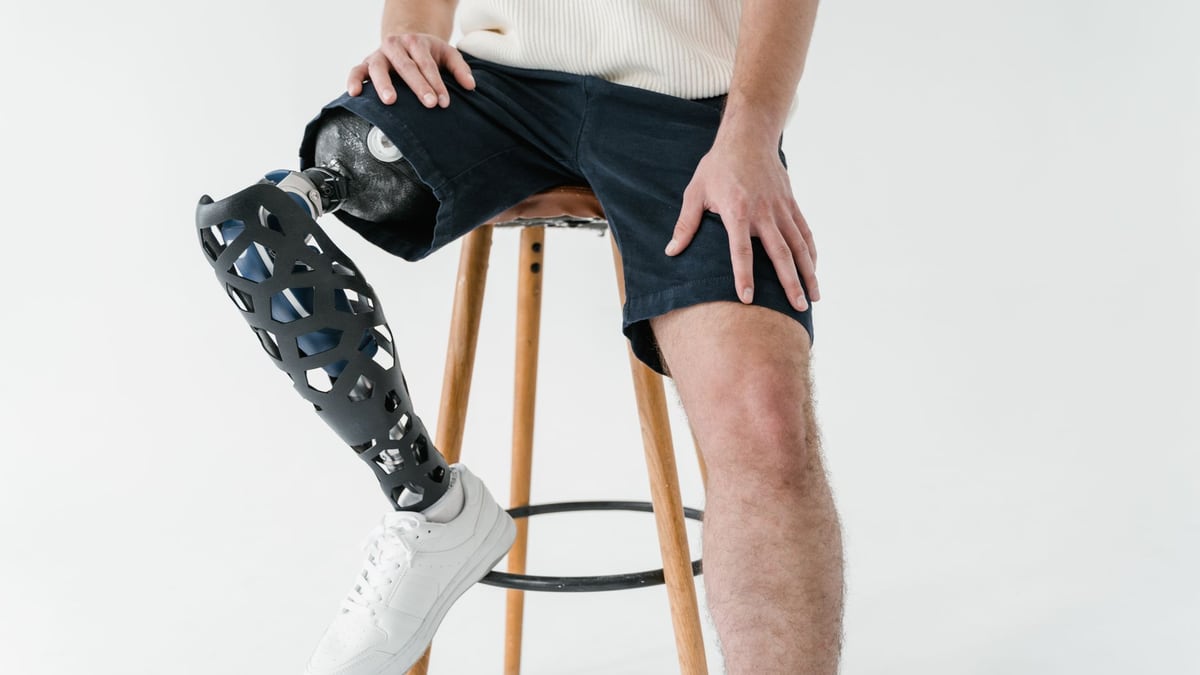 Start here · 13 min readLower limb prosthetics: a plain guide to device types, daily use, and what to expectAn orientation to prosthetic leg options: what amputation level determines, how foot, ankle, and knee systems differ, what the research shows about real-world use, and what to expect from fitting and insurance.Read the guide
 Then keep going
- Upper limb prosthetics: a plain guide to device types, daily use, and what insurance coversAn orientation to prosthetic arm and hand options: body-powered, myoelectric, activity-specific, and passive. What each is designed to do, what the research says about real-world use, and what to expect from insurance.12 min read
- Upper limb prosthetic control systems: what your options are and what to ask before choosingBody-powered, surface EMG, pattern-recognition, and vision-assisted control systems all handle the same question differently: how does your device know what you want it to do? A practical guide to the four paradigms, the trade-offs, and the questions to bring to a clinical conversation.12 min read
- Bilateral lower limb amputation: what to expect when both legs are involvedAn orientation to bilateral lower limb amputation: how rehabilitation differs from unilateral, what prosthetic use involves when both legs are missing, and what to know about practical daily life, energy, and coverage.10 min read
- Osseointegration: what it is, who tends to qualify, and what the process looks likeA patient-facing orientation to bone-anchored prosthetics: how osseointegration works, what the research says about candidacy and outcomes, and what questions to ask before a surgical consult.11 min read
- Targeted muscle reinnervation: what the surgery is, who it's offered to, and what to expectTMR is a nerve-transfer surgery with two main indications: reducing neuroma and phantom limb pain, and enabling more intuitive myoelectric prosthetic control. A patient-facing orientation to the procedure, candidacy, recovery, and what to ask your surgical team.10 min read
- Your prosthetic just broke: what to do in the next 72 hoursComponent failure happens. The gap between broken and repaired has predictable steps, and knowing them ahead of time makes the experience considerably less chaotic. A practical guide to emergency contacts, Medicare repair coverage, backup mobility, and what to document.9 min read
- When your prosthetist leaves: how to protect your care continuityPractitioners move, practices consolidate, and burnout is reshaping the O&P workforce. If your prosthetist leaves, or you suspect they might, here is what to do, when to do it, and who else you need in the loop.10 min read
Other subjects
- The first year after amputation
- Insurance, Medicare and paying for a prosthesis
- Socket fit, skin and residual limb care
- Pain, whole-body health and mental health after limb loss
- Work, disability benefits and vocational rehab
- Travel, driving, sport and getting out
- Children, congenital limb difference and families
- Search every guide
General information, not personal medical, legal, benefits or insurance advice. Your clinical team, insurer or advocate can apply it to your situation.