
Guide hub · 10 guides · about 96 min of reading
Insurance, Medicare and paying for a prosthesis
Most of the friction in getting a prosthesis is paperwork. Coverage depends on who pays (Medicare, Medicare Advantage, Medicaid, a private plan, the VA or nobody), and each payer has its own vocabulary for the same device.
Start with K-levels, because almost every coverage decision refers back to them. Then follow the path that matches your payer. None of this is individual benefits advice; it is a map so you know what to ask your insurer, clinic or advocate.
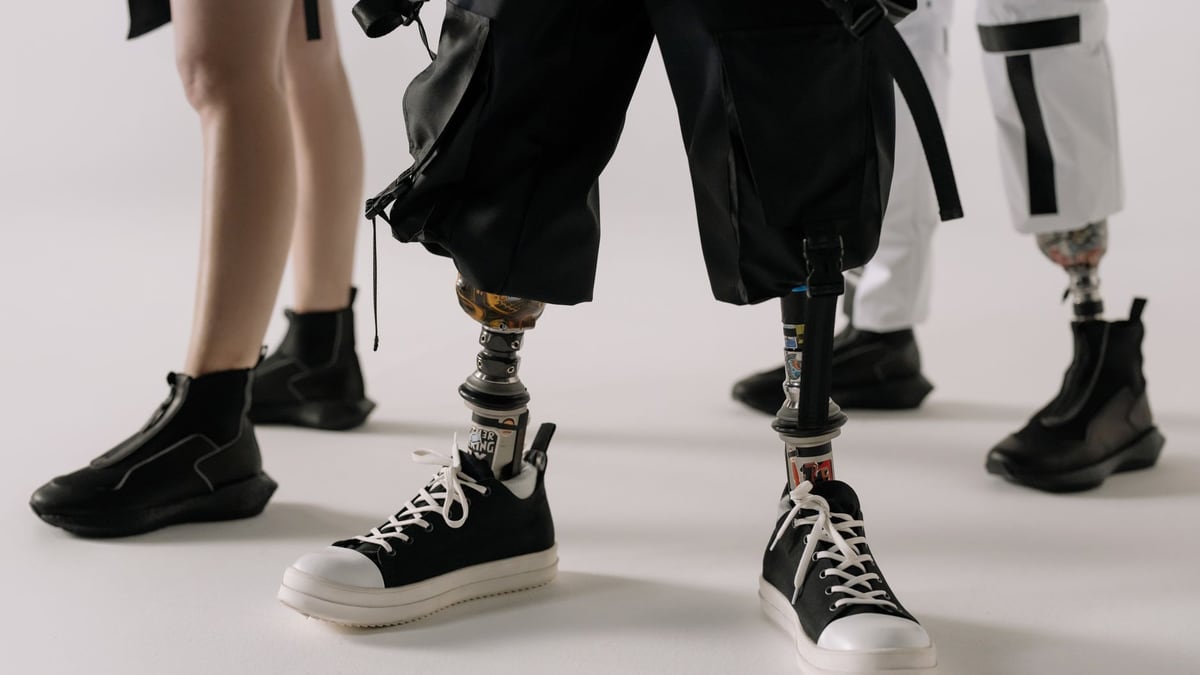 Start here · 10 min readWhat is a K-level, and why does it control which prosthetic devices Medicare will cover?Medicare classifies prosthetic candidates on a K0–K4 functional scale before it will approve a device. Understanding where that number comes from, what it opens and closes, and what to do when it seems wrong is practical information worth having before you need it.Read the guide
 Then keep going
- Before your prosthesis is built: what the insurance authorization process actually looks likeBetween the prescription and the device, there is an insurance layer. What verification of benefits, letters of medical necessity, and prior authorization actually involve, and who is responsible for each step.9 min read
- Traditional Medicare or Medicare Advantage: what the authorization path looks like for prostheticsWhether you're on traditional Part B or enrolled in a Medicare Advantage plan determines how prosthetic coverage is authorized, which providers you can use, and how long the process takes. The distinction is worth understanding before you need a device.9 min read
- Your O&P order is in prior authorization. Here is what you can actually do while it is pending.Waiting for a Medicare prior authorization decision on a prosthesis or orthosis is not nothing. There are a handful of things you can do to keep the process from stalling, and a few things to understand about what you cannot hurry.9 min read
- A Medicare prosthetic claim was denied. Here's what you do with the letter.A denial is step one of a defined appeals process, not the final word. A walkthrough of how Medicare claims appeals actually work for prosthetics: who files, what documentation matters at each stage, and how to decide whether to lead or let your clinic's billing team.11 min read
- Prosthetics on Medicaid: what states cover, what they don't, and how to find out where you standMedicaid is a state-by-state program, and prosthetics are an optional benefit, meaning coverage ranges from comprehensive to nearly nothing depending on where you live. A practical walkthrough of how to find your state's rules, what prior authorization typically requires, and what to do when coverage falls short.10 min read
- Prosthetic parity laws: what your state insurance may be required to coverMost states have laws requiring health insurers to cover prosthetic devices on par with other medically necessary care. Here is what those laws say, which plans they apply to, and what to do when a payer isn't following them.10 min read
- VA benefits, Medicare, and prosthetics: how coverage works when you have bothMillions of veterans are enrolled in both VA health care and Medicare. The two programs are independent: which one covers your prosthetic care depends on where you receive it, not which benefit you'd prefer to use.10 min read
- Prosthetics without insurance: what's actually available and how to access itLimb loss without health coverage is not a dead end, but the paths are slower and less obvious. A practical map of programs, advocacy options, and realistic timelines for people who don't have Medicare, Medicaid, or private insurance.10 min read
- Your prosthetic history is portable. Here is what to keep, what to request, and when to start.O&P clinic turnover is a documented reality. The records that make your care continuable, socket measurements, device history, prior authorization documentation, are yours by right. A practical guide to maintaining your own prosthetic record before you need it.8 min read
Other subjects
- The first year after amputation
- Socket fit, skin and residual limb care
- Prosthetic types, control systems and surgical options
- Pain, whole-body health and mental health after limb loss
- Work, disability benefits and vocational rehab
- Travel, driving, sport and getting out
- Children, congenital limb difference and families
- Search every guide
General information, not personal medical, legal, benefits or insurance advice. Your clinical team, insurer or advocate can apply it to your situation.