
Poor sleep tracked with worse function and mood in a 218-person limb loss study
A cross-sectional study of 218 people with limb loss found that moderate to severe sleep disturbance went with worse physical function, more pain interference and less social participation.
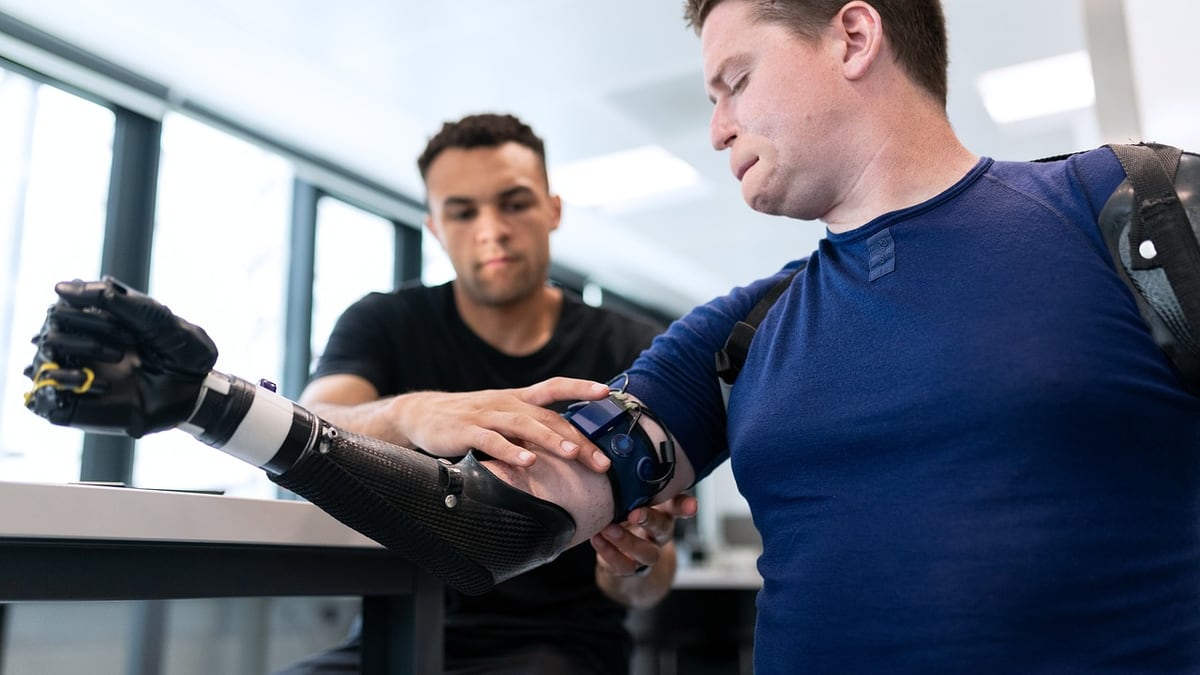
A study in the journal Sleep and Breathing found that people with limb loss who reported moderate to severe sleep disturbance also reported worse physical function, more anxiety, depression and fatigue, more pain interference and less social participation. The open-access paper, “Negative consequences of sleep disturbance in individuals with limb loss,” was reported by The O&P EDGE on November 20.
What the researchers did
The study was cross-sectional, meaning it measured each person once. It included 218 community-ambulating people with at least one amputation, recruited from military treatment facilities, community events and prosthetic clinics. Participants completed the PROMIS-29, a standardized questionnaire that scores sleep disturbance, physical function, anxiety, depression, fatigue, pain interference and social participation.
Based on their sleep scores, the researchers sorted participants into three groups: no sleep disturbance, mild, and moderate to severe. They then compared scores across groups with one-way analyses of variance.
What they found
Compared with people reporting no sleep disturbance, the moderate to severe group had worse physical function, higher anxiety, depression, fatigue and pain interference, and less social participation. The moderate to severe group also scored worse than the mild group on depression, fatigue, social participation and pain interference. Even the mild group scored worse than the no-disturbance group on physical function and fatigue.
What this means
The study shows an association, not a cause. A single measurement cannot say whether poor sleep worsens function and mood, whether pain and low mood disrupt sleep, or whether both feed each other. The source report does not say how sleep problems in this group compare with the general population, and it does not describe any treatment tested.
The practical takeaway is narrower. Sleep is one of the things researchers measure alongside pain and mobility in limb loss, and the results suggest it deserves a place in those conversations. Readers who have trouble sleeping can raise it with their physician or care team, who can look at the cause in their own situation. This article is general information, not medical advice.
Source notebook: This reporting draws on The O&P EDGE report on the Sleep and Breathing study ↗. We link out so you can follow the receipts.