
Implanted electrode systems for prosthetic control: what they are, where the research stands, and how to track it
Surface myoelectric electrodes have persistent limitations. Implanted electrode systems are in early clinical trials as a potential alternative. Here is what the technology involves, what FDA's Breakthrough Device Designation means in practice, and how to track the research if you are interested.
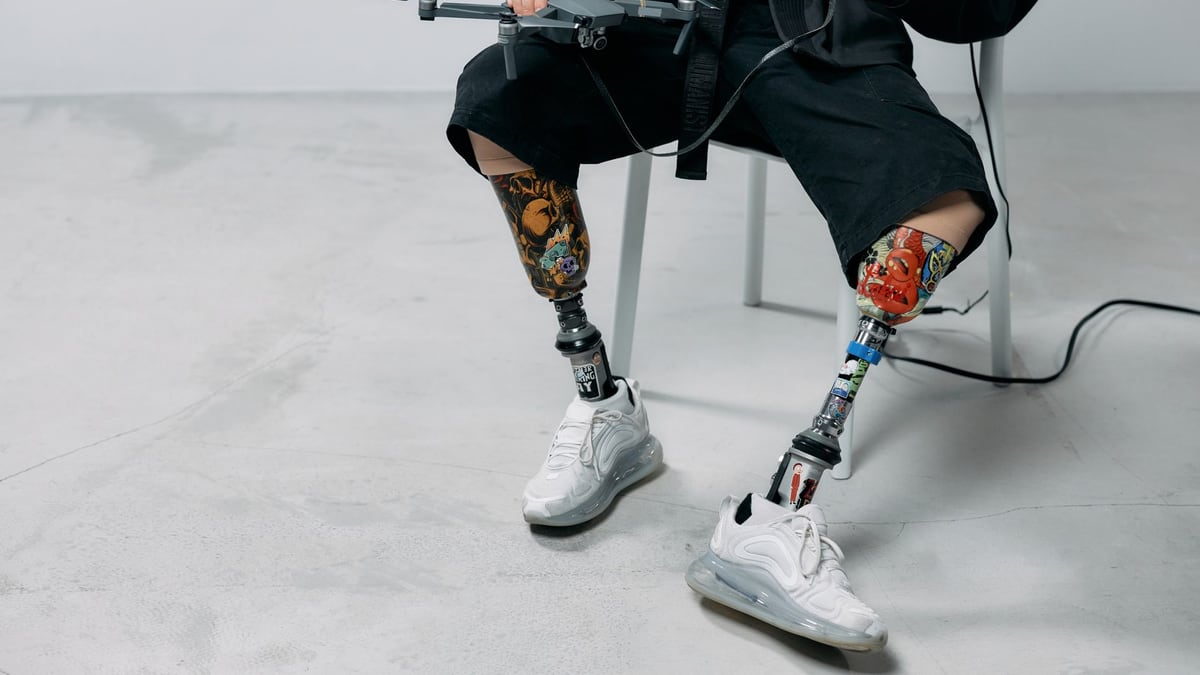
The problem with surface myoelectric electrodes is practical: they read electrical signals from muscles through the skin, and skin is an inconsistent conductor. Sweat degrades the signal. Socket volume changes shift electrode contact. A fit that worked well this morning may not maintain electrode placement after a few hours of physical work. For users with shorter residual limbs or fewer surviving muscle bellies, the electrodes may not have reliable signals to read at all.
Most of the innovation in myoelectric prosthetic control over the past decade has been working around this constraint. Pattern-recognition systems improve signal interpretation. Targeted muscle reinnervation creates new electrode sites. Neither approach changes the underlying situation: the electrodes are still outside the body, separated from the muscles they are trying to detect by skin, subcutaneous tissue, socket fit, and ambient conditions.
Implanted electrode systems take a different route: move the electrode closer to the source.
What implanted electrode systems do
Instead of placing electrodes against the skin surface inside a socket, an implanted system puts sensing elements directly in or near the target muscles, beneath the skin. The electrode picks up the muscle’s electrical signal with less interference from surface conditions and without depending on consistent skin contact.
The concept is not unusual in medicine. Cochlear implants, deep brain stimulators, and cardiac pacemakers all use implanted electronics. Applying it to myoelectric prosthetic control has taken longer because of specific requirements: the implant needs to survive the mechanical environment of a residual limb, transmit data reliably through tissue to an external receiver, and remain functional over years. Those are hard engineering problems.
The Restore system
Blue Arbor Technologies, backed by Ottobock as its strategic partner and Series A lead, is developing a platform called Restore that is designed specifically for this application. The stated goal is independent and simultaneous control of prosthetic fingers, wrist, and elbow using signals from implanted electrodes rather than surface EMG.
Blue Arbor is developing two versions of the platform. The external sensing unit places sensing components beneath the skin but still outside the muscle, communicating with external prosthetic hardware. The internal sensing unit is a fully implantable design being developed as a later-generation option.
As of October 2026, the company has completed two human implantations using the external sensing unit, with the second procedure performed at the Medical University of Vienna. The system is in feasibility studies: small-scale evaluations that test whether the device functions as intended in humans and does not create unexpected safety problems. This is the earliest stage of human clinical testing.
According to O&P EDGE reporting, the company plans to use the new funding to complete those feasibility studies and then file an Investigational Device Exemption application with FDA to begin US clinical studies for the external unit.
What FDA Breakthrough Device Designation means here
The Restore system holds FDA Breakthrough Device Designation, and it has been accepted into FDA’s Total Product Life Cycle Advisory Program Pilot.
Breakthrough Device Designation is granted when a device treats or diagnoses a serious condition and may provide more effective treatment than existing options. What the designation provides is more frequent and interactive communication with FDA during development, which can reduce the time needed to meet regulatory requirements. It does not mean the device has been approved or cleared for clinical use.
Acceptance into the TLC Advisory Program provides earlier FDA feedback on the development and review plan.
The path from here to broad clinical availability still runs through an IDE application, US feasibility and then pivotal trials, and then a premarket approval or 510(k) clearance. Each of those steps involves more subjects, more data, and more time.
The University of Michigan study
Separately, the Restore system has been selected for a clinical study at the University of Michigan, supported by a National Institutes of Health grant. That study will compare surface electrodes with implanted electrodes for prosthetic control directly, using a head-to-head design. A comparative study produces data on whether implanted electrodes outperform surface EMG under controlled conditions, not just whether they work in isolation.
NIH-funded trials at research institutions are registered at ClinicalTrials.gov. If you are an upper-limb prosthetic user with poor myoelectric signal quality and are interested in research participation, you can search by condition (“upper limb amputation,” “limb loss”), device type, or sponsoring institution to find current enrollment status and eligibility criteria for this and other studies.
What to ask your clinical team now
Implanted electrode systems are not available outside clinical trials. If your prosthetist or a company representative raises this technology as an option, it is worth asking specifically whether any enrolling trials are available in your area and what the eligibility requirements are.
For most upper-limb amputees, the near-term path to better myoelectric control still runs through approaches that are clinically available: pattern-recognition systems, targeted muscle reinnervation, or hybrid device setups. The upper limb prosthetic control systems guide covers those options and the questions to bring to a prosthetist. The targeted muscle reinnervation guide covers the TMR surgical option in more detail.
If you have worked through available options and still find surface EMG control unreliable for daily use, asking your clinical team whether any applicable trials are currently enrolling is a reasonable next step.
This guide covers emerging prosthetic control technology based on published sources as of October 2026. It is not a substitute for evaluation by a qualified clinician. Clinical trials involve study-specific risks and requirements. Read any study’s informed consent documentation carefully and discuss participation with your medical team before enrolling.
Source notebook: This guide draws on O&P EDGE: Blue Arbor Raises $10.5 Million Led By Ottobock ↗. We link out so you can follow the receipts.