
Eastern DRC held its first national amputee football tournament. Three provinces showed up.
The Congolese National Paralympic Committee and the ICRC ran the country's first national amputee football tournament in Uvira last month. South Kivu won. Two expected provinces couldn't afford to get there.
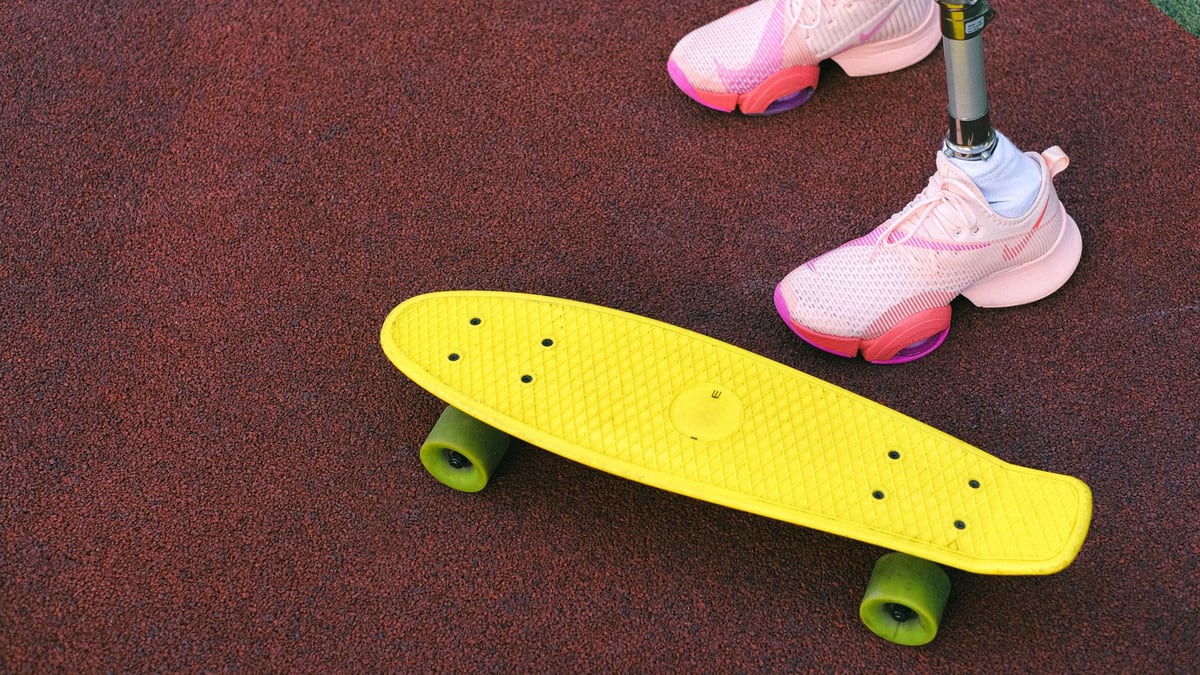
Félix Bisengimana lost his leg in a banana plantation. When fighting broke out near his home in North Kivu, he ran with a group of soldiers and took cover there. A bomb landed. The shrapnel severed his leg.
Last month, he played in his country’s first national amputee football tournament.
The Congolese National Paralympic Committee (CNP-COD), with support from the International Committee of the Red Cross, organized the three-day event in Uvira, in South Kivu province, from September 23 to 25. The theme was “Beyond Disability, Talent.” Three provincial teams competed: North Kivu, South Kivu, and Tanganyika. South Kivu beat North Kivu in a penalty shootout, 2-0, after a scoreless draw in regular time.
Two other provinces had been expected to send teams. They didn’t make it because of resource constraints. That is not a footnote. Eastern DRC has ongoing armed conflict, widespread displacement, and limited infrastructure. Getting a team of amputee athletes to a tournament takes money and logistics that most provinces don’t have. The fact that three teams came is a real thing. So is the fact that two didn’t.
The ICRC’s disability inclusion adviser in DRC, Eva Bonjele, was clear about who she was looking at in the stands and on the pitch: “Ninety percent of our beneficiaries are victims of armed conflict. They are players or young people who have been affected by armed conflict. We want to promote inclusion through sport.”
That context matters. This isn’t a story about athletes who happen to have disabilities. It’s a story about a region where limb loss is a documented consequence of war, and where the same people the conflict injured are now trying to build something beside it.
Ngongo Lambert, the Tanganyika team captain, said what the event felt like from inside it: “I feel like I am being reborn, despite my disability. Today, I feel free, at peace and completely fulfilled thanks to football.”
CNP-COD president Betty Myangindula Mbenza framed the tournament’s purpose as both practical and social: building confidence in athletes and shifting how people in their communities see disability.
What this means
There is no national amputee football infrastructure in DRC yet. This was one tournament, run with ICRC backing, in one city. The resource gap that kept two provinces away is the same gap that will shape whether this becomes annual or stays a one-off.
The ICRC has documented conflict-related limb loss across eastern DRC for years. Turning that population into a constituency for organized adaptive sport requires more than one event. It requires money, equipment, transportation subsidies, and sustained coordination between the CNP-COD and provincial disability organizations. None of that is in place at scale.
What Uvira showed is that the athletes are there. The question is whether the institutions will meet them.
Source notebook: This reporting draws on Africanews: DRC amputee football tournament offers hope and a path to recovery ↗. We link out so you can follow the receipts.