
Diabetic foot infection: what the research stages mean and why wound care timing matters
The pathway from a diabetic foot wound to amputation is not a single event. The IWGDF infection classification describes stages where the range of options narrows at each step. What that means for people who have already had a vascular-related amputation.
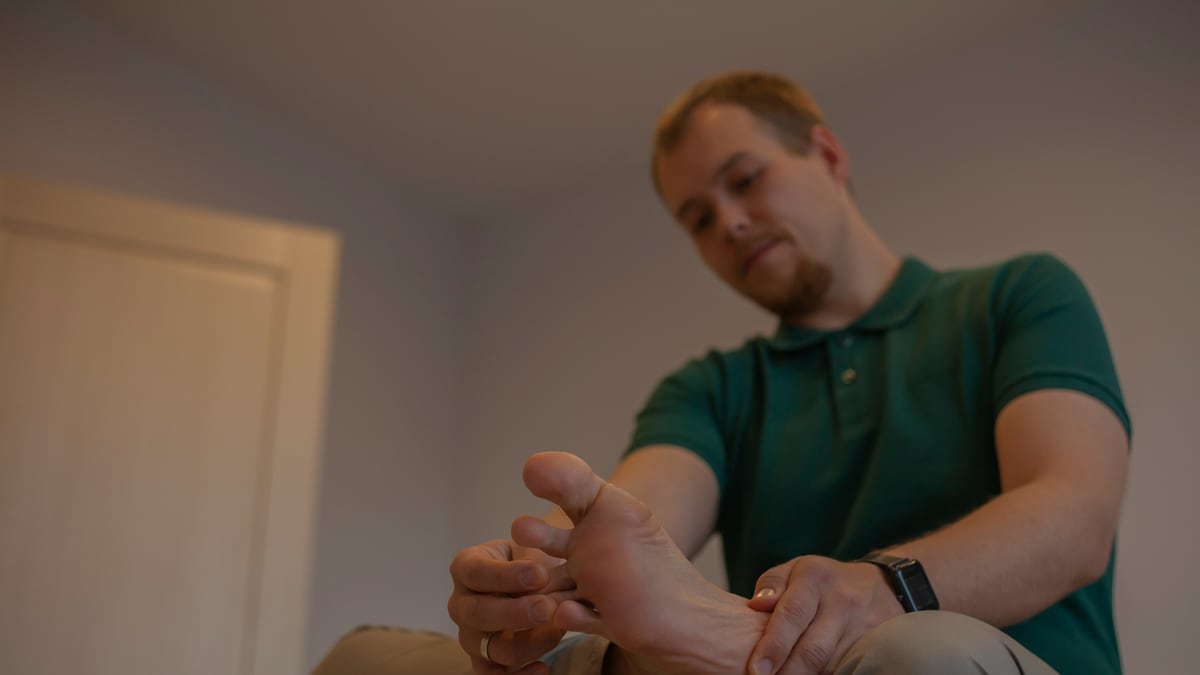
The Jerusalem Post reported this week that an antibiotic gel called GentaGel was used to treat a diabetic foot infection and avoid amputation. The item is brief and light on clinical specifics, which makes it difficult to evaluate. What it does offer is an occasion to get into the research that actually governs diabetic foot infection management: what the stages look like, why early intervention changes outcomes, and why this matters disproportionately to people who have already lost one limb to vascular disease or diabetes.
The IWGDF staging: four categories with different implications
The International Working Group on the Diabetic Foot publishes clinical practice guidelines that are revised on a regular cycle and represent the best available synthesis of the research on diabetic foot disease. Their classification of diabetic foot infections uses a four-level system, and the distinctions are not administrative. They describe genuinely different clinical situations with different treatment options attached.
Grade 1 (uninfected). A wound is present, but there are no signs of infection. Wound care and pressure offloading are indicated; antibiotics are not.
Grade 2 (mild). Infection involves superficial skin and subcutaneous tissue. Redness, warmth, swelling, or discharge is present, limited to a small area, without deeper involvement. Oral antibiotics aimed at common skin pathogens are typically the first approach, alongside debridement and wound care. This is the stage at which conservative management is most likely to succeed and least likely to require surgery.
Grade 3 (moderate). Infection has reached deeper structures: fascia, muscle, tendon, joint, or bone. This category includes osteomyelitis, which is infection of the bone itself. Moderate infections require more aggressive antibiotic treatment, usually intravenous, and often surgical debridement of infected or nonviable tissue. The treatment window is longer; outcomes vary more.
Grade 4 (severe). Systemic signs are present: fever, elevated white cell count, sepsis markers. Grade 4 often co-occurs with limb-threatening ischemia, which is poor enough blood supply that tissue cannot receive the antibiotics or immune response being delivered. This is a vascular and surgical emergency, not primarily an antibiotic problem. Limb salvage at this stage depends on whether blood flow can be restored and whether the infection can be controlled quickly enough.
What the staging communicates is that the therapeutic window is not fixed. A wound presenting at Grade 2 has meaningfully more options than the same anatomical wound presenting at Grade 4. Time is a variable in that equation.
Why wounds progress before they are noticed
Diabetic neuropathy reduces or eliminates protective sensation in the feet. A small wound, a pressure ulcer from an ill-fitting shoe or a minor injury, may be painless. In someone without neuropathy, pain would prompt immediate attention. In someone with advanced neuropathy, the first noticeable sign may be redness, swelling, or odor, by which point a superficial wound may already have progressed into deeper tissue.
This is not a failure of patient judgment. It is the predictable consequence of a disease that removes the warning signal the body normally uses to trigger wound awareness. The IWGDF guidelines are explicit about this: detection strategies for diabetic foot infections have to account for the fact that pain is an unreliable indicator in this population. Clinical inspection, structured self-monitoring, and regular professional foot examination are the mechanisms that fill the gap pain normally fills.
For people who have already had a lower-limb amputation related to diabetes or peripheral artery disease, the neuropathy and vascular disease that produced the first event are still present in the remaining limb. Self-monitoring becomes more consequential, not less. The logistics of inspecting the remaining foot, including the physical reach involved for someone managing balance on a prosthetic limb, are not always discussed at discharge.
What topical antibiotics do (and where they fit)
Topical antibiotic agents, the category that GentaGel belongs to, have been studied in diabetic foot wound management. The evidence supports their use in some surface-level situations, particularly for mild infections or wound beds after debridement where localized antibiotic delivery is needed. The IWGDF guidelines note that topical agents are appropriate in specific contexts but emphasize that culture-guided treatment matters: without knowing which organisms are present and whether they are resistant to available agents, empiric antibiotic selection, topical or systemic, carries resistance risk.
Deeper infections involving fascia or bone require systemic (typically intravenous) treatment because the infected tissue is not accessible to a topical agent. A topical gel applied to a wound surface does not reach osteomyelitis in the underlying bone. The mode of delivery has to match the location of the infection.
None of this means topical research is not useful. It means that any specific product needs to be evaluated in the clinical context where it applies. “Saved a diabetic foot from amputation” is the outcome; the clinical picture that determined whether a topical agent was appropriate, in what combination with other interventions, and in a patient with what vascular status, is what determines whether that result generalizes.
What this means for people already living with vascular limb loss
The piece on second-limb risk in vascular amputees covers who carries elevated risk and why vascular follow-up gaps matter. The practical layer that sits on top of that:
Wound detection has to be deliberate. If you have neuropathy in the remaining foot, routine inspection matters more than waiting for symptoms. What counts as routine depends on your risk level, which a vascular surgeon or wound care team can help you determine. Twice-daily inspection is common guidance for high-risk feet; the exact frequency should come from your care team, not a general article.
The time between “I notice something” and “I call the clinic” should be short. Watching a wound for a week to see if it resolves is a risk pattern that shows up repeatedly in the research on late presentations. A wound that looks minor may not be minor in someone with reduced perfusion to the foot. Same-day or next-day contact with your care team when you find a wound is not overreacting.
The right call is not always to your prosthetist. For a wound on the remaining limb, the appropriate contacts are your wound care team, podiatrist, vascular surgeon, or primary care provider, whoever has responsibility for your foot health. Prosthetists are often the people who notice early signs of skin breakdown during fitting appointments, and that observation is useful, but managing an active infection is not within their scope.
Access to a specialist wound care team is worth asking for explicitly if you do not have it. Multidisciplinary diabetic foot teams, where available, produce better outcomes than fragmented care. They are not universally available. If you are at elevated risk (prior amputation, diabetes, peripheral artery disease) and wound care is not currently a named part of your care, asking for a referral is a reasonable next step.
This article describes a research-based framework for understanding diabetic foot infection staging and wound care timing. It is not individualized medical advice and does not substitute for evaluation by a wound care specialist, vascular surgeon, or primary care provider. If you have a wound on a remaining foot or limb, contact your care team promptly. Amputee News does not provide individualized clinical, medical, or insurance guidance.
Related guide: Diabetic foot care and amputation risk: what to do and what to watch for
Source notebook: This reporting draws on International Working Group on the Diabetic Foot: 2023 Guidelines on the Diagnosis and Management of Foot Infections in Persons with Diabetes ↗. We link out so you can follow the receipts.