
GLP-1 medications and prosthetic socket fit: what to expect and how to manage it
Semaglutide and tirzepatide cause rapid weight loss that affects residual limb volume, which means your socket fit changes faster than the normal replacement cycle expects. Here is what to watch for, when to call your prosthetist, and what to document.
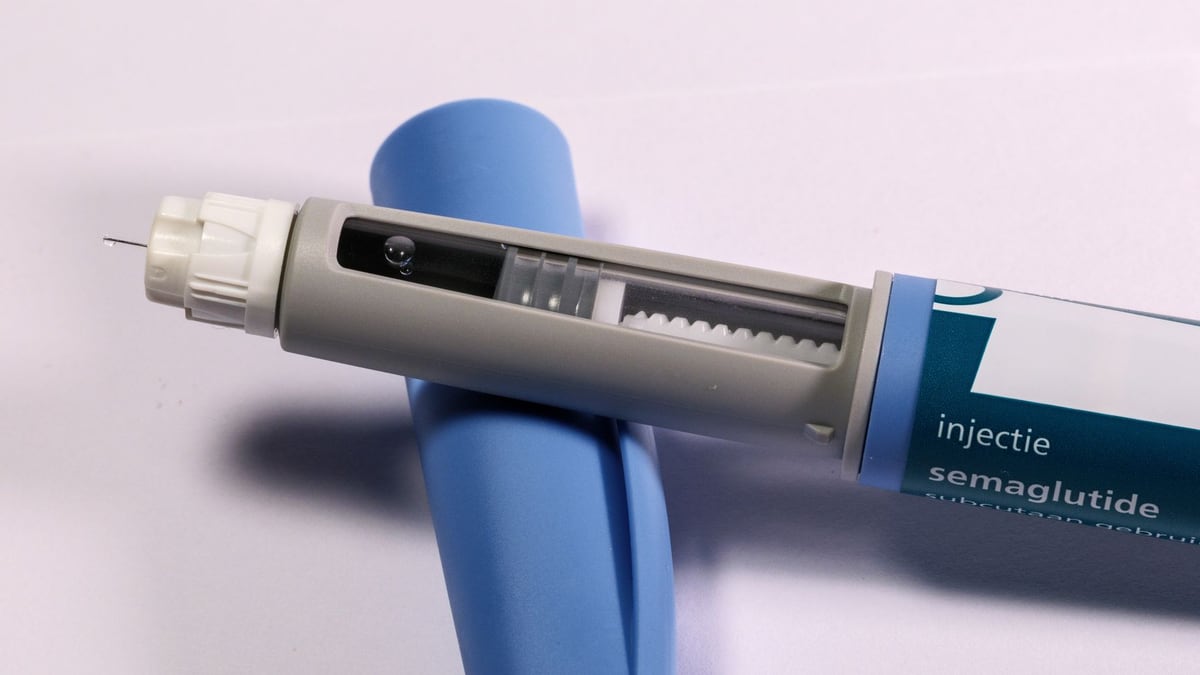
GLP-1 receptor agonists, the drug class that includes semaglutide (sold as Ozempic and Wegovy) and tirzepatide (Mounjaro, Zepbound), are being prescribed at high rates for type 2 diabetes and obesity. They work. People lose meaningful amounts of weight on them, often 15 to 20 percent of body weight over the first year. That weight does not come only from the places you expect. Some of it comes off the residual limb, and when a residual limb shrinks faster than a normal replacement cycle assumes, the socket stops fitting the way it was built to fit.
This is not rare or theoretical. The American Orthotic and Prosthetic Association held a session at its national assembly in Las Vegas last month on this exact topic. The O&P EDGE reported on a poll of clinicians who attended: socket loosening was the top-cited challenge (33 percent), with increased volume fluctuation tied at 33 percent. Skin and alignment issues came in at 25 percent. A need for more frequent socket adjustments came in at 8 percent. These are practitioners from different clinics, independently reporting the same pattern.
The good news is that this is a known and manageable issue. But it requires treating socket management as part of the medication plan, not as a separate problem to deal with later.
What GLP-1 drugs do to a residual limb
GLP-1 medications reduce caloric intake and alter fat and muscle metabolism. The weight loss is real and physiological, not cosmetic. Residual limbs contain fat and muscle tissue. They shrink along with the rest of the body, and they do not shrink on a predictable schedule.
The pace is the issue. Normal weight fluctuation, the kind that happens through the day or across seasons, is something a well-fitted socket already accounts for. A prosthetist builds in liner options, sock strategies, and padding adjustments for minor swing. What GLP-1 medications introduce is a different order of magnitude: sustained, directional volume loss over months. A socket fitted before starting the medication can become noticeably loose within three to six months. That is well before the standard eligibility window for a replacement.
Volume fluctuation complicates it further. During active weight loss, the limb is not settling into a new stable shape. It is still changing. Some weeks the socket feels tolerable. Some weeks the same socket, with no changes made to it, does not. That is not imagined. It reflects genuine week-to-week differences in residual limb volume.
What socket loosening feels like
A socket that has gotten too large for your limb produces piston motion: the residual limb moves up and down inside the socket on every step, instead of staying seated. The tell-tale signs are:
- The foot or foot plate position shifting through your gait, where a step that used to feel solid feels unstable
- Skin irritation at the brim or distal end of the socket, where the limb is now contacting surfaces at angles it was not before
- More sock ply than you have ever needed before, or socks that are not actually resolving the looseness the way they used to
- A change in how the liner feels at suspension: less secure, or pulling at the distal end
- Blisters, pressure marks, or skin breakdown in spots that were not previously problems
Any of these is a reason to call your prosthetist, not to add another sock and wait.
Managing with socks versus when socks are not the answer
Prosthetic socks handle minor, day-to-day volume variation. They are designed for that and they work for that. They are not designed to compensate for significant or ongoing residual limb shrinkage, and using them that way has limits.
If you are adding a ply or two to keep the socket comfortable across the day, that is normal and appropriate. If you are wearing two to four plies more than you were six months ago and the socket still does not feel right, socks are masking a fit problem, not solving it. The alignment of the socket changes as extra socks change the geometry, and alignment affects how your foot or ankle hits the ground, which affects your knee and hip if you have one. You cannot sock your way out of a socket that is now the wrong size.
The sock ply guide has the mechanics if you want them. The short version: socks are for daily management of a well-fitted socket, not a long-term substitute for clinical assessment.
What to document before and during the medication period
If you have started a GLP-1 medication or are being offered one, a few things are worth tracking:
Your current sock ply regimen. Write down what you are wearing now: how many plies, what combination, at what point in the day you typically add them. This gives you and your prosthetist a baseline to measure against.
Your starting weight. Your prosthetist will track limb measurements, but knowing your overall weight trend helps contextualize what the limb is doing.
New symptoms. The date you first noticed a change in fit, what changed, whether it is consistent or varies by day, and what you tried. A note in your phone is enough. This record matters for clinical documentation and for insurance purposes later.
Photos of any new skin issues. If you develop blisters, irritation, or pressure marks in locations you have not had them before, photograph them. Your prosthetist and your prescribing physician both need to know, and documentation accelerates coverage decisions.
See keeping your prosthetic records for a fuller version of this.
When to contact your prosthetist
The most useful time to contact your prosthetist about GLP-1 medications is before the socket starts to feel loose, not after.
If you have just started a GLP-1 drug, call your prosthetist and let them know. This is not unusual. They may want to schedule a baseline volume measurement, or they may just make a note in your chart. Either way, they now know to expect a call from you in three months rather than being surprised by a significant fit change at your annual check.
Schedule proactively at the two-month mark and again at four months if you are losing weight at the rate these medications typically produce. That cadence lets the prosthetist track change, adjust liner and padding strategies early, and build the documentation trail that an eventual socket replacement will need.
If you are already on a GLP-1 drug and noticing fit changes, schedule sooner. A fit check takes less time than a full replacement. Getting in before skin breakdown or alignment problems develop keeps your options wider.
When adjustment is enough and when it is not
Adjustments and modifications can handle a defined range of volume loss:
Adding a thicker liner, switching to a different liner durometer, or adjusting padding at the distal end are reasonable first steps for moderate volume loss. These can buy time and improve daily comfort without requiring a full socket replacement. Your prosthetist may also adjust suspension systems or trim the brim if the brim has become the primary pressure point.
A full socket replacement is indicated when: the volume loss is large enough that liner and padding changes no longer seat the limb correctly; the alignment cannot be corrected without a new socket; or skin breakdown has occurred as a result of fit failure. At that point you need a new socket, not a thicker sock.
The eligibility rules for replacement vary by payer and are partly based on clinical documentation of fit failure. A replacement driven by documented, medically connected fit failure, with a record showing what was tried and when it stopped working, is a different coverage argument than a request to replace a socket at the standard interval. Your prosthetist knows the documentation requirements for your payer. The record you kept is the one that supports their clinical narrative.
What to do if you are losing weight faster than your clinic can schedule you
Some people on GLP-1 medications lose weight quickly. Clinic schedules do not always keep pace. If you cannot get an appointment within a reasonable window and your fit is deteriorating:
Call the clinic and describe the urgency. Fit failure caused by active medical treatment is not a routine scheduling matter. A prosthetist who understands the timeline will often fit a fit-check into a shorter slot than a full appointment.
Use socks to keep yourself safe in the interim. A loose socket during ambulation is a fall risk. If you cannot safely ambulate with the socket as it is, that is a medical urgency, and you can ask your prescribing physician for a referral letter to support an expedited fitting appointment.
Do not push through skin breakdown. If you have open wounds or blistering at the socket interface, ambulating in a poorly fitting socket makes them worse. Healing a wound takes longer than getting a socket adjusted. If you are at that point, contact both your prosthetist and your prescribing team on the same day.
If volume fluctuation is severe enough that the socket is completely unusable for days at a time, ask your prosthetist whether a temporary or interim socket is an option while your limb stabilizes. This is not always available or covered, but it is worth asking about.
This does not need to be a reason to avoid the medication
GLP-1 drugs are treating real conditions: type 2 diabetes, obesity, and associated cardiovascular risk. The socket management challenges are significant but not unmanageable. People are navigating them in clinics right now. The pattern that the AOPA assembly documented is a known phenomenon that practitioners are adapting to, not an undiscovered problem.
The most important thing is not to leave your prosthetist out of the loop. Residual limb volume change is something your prosthetist can plan around. A fit failure that surprises everyone, with no documentation of what happened and why, is the harder version of this problem to solve.
See also:
- GLP-1 weight loss drugs are shrinking residual limbs: what the AOPA assembly found for the clinical data from the AOPA poll
- Weight changes and socket fit for the broader context of body weight and residual limb volume
- Residual limb volume management for day-to-day volume management tools
This guide does not constitute individual clinical, medical, or fitting advice. Socket management during rapid weight loss depends on your specific limb, socket design, liner system, and medical history. Work through those decisions with your prosthetist and the physician overseeing your medication.
Source notebook: This guide draws on The O&P EDGE: Poll Results: Weight Loss Drugs and AI Chatbots, October 2026 ↗. We link out so you can follow the receipts.